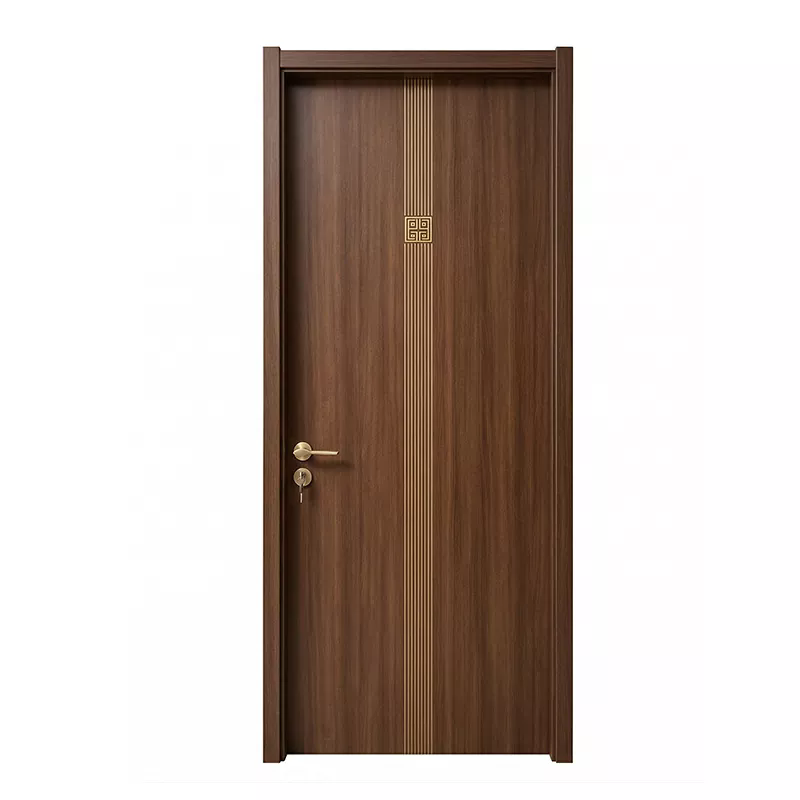
Abstract: Eco-friendly doors are more than a design trend—they are a practical solution for homeowners and businesses seeking sustainability, energy efficiency, and long-term cost savings. This article explores how eco-friendly doors work, what materials they use, and how they solve common customer pain points such as high energy bills, poor insulation, and environmental concerns. You’ll also learn how to choose the right door and why partnering with Weifang Kamulang Home Technology Co., Ltd. can make a measurable difference.
Eco-friendly doors are designed with sustainability, energy efficiency, and environmental responsibility in mind. Unlike conventional doors, they use renewable, recycled, or low-impact materials and are engineered to minimize heat loss and carbon emissions.
These doors are not just about “going green.” They directly address real-world problems such as:
Many conventional doors are manufactured using resource-intensive processes and materials that lack insulation properties. This leads to:
Customers often underestimate how much a door contributes to energy inefficiency. A poorly insulated door can increase energy consumption by up to 15% in extreme climates.
| Material | Benefits | Best Use Case |
|---|---|---|
| Bamboo | Rapidly renewable, durable | Interior doors |
| Reclaimed Wood | Reduces deforestation, unique aesthetics | Rustic designs |
| Fiberglass Composite | High insulation, low maintenance | Exterior doors |
| Aluminum with Thermal Break | Recyclable, strong, energy-efficient | Modern architecture |
Manufacturers like Weifang Kamulang Home Technology Co., Ltd. focus on integrating these materials with advanced production techniques to ensure durability and environmental compliance.
Energy efficiency is one of the most critical advantages. Eco-friendly doors achieve this through:
In practical terms, this means:
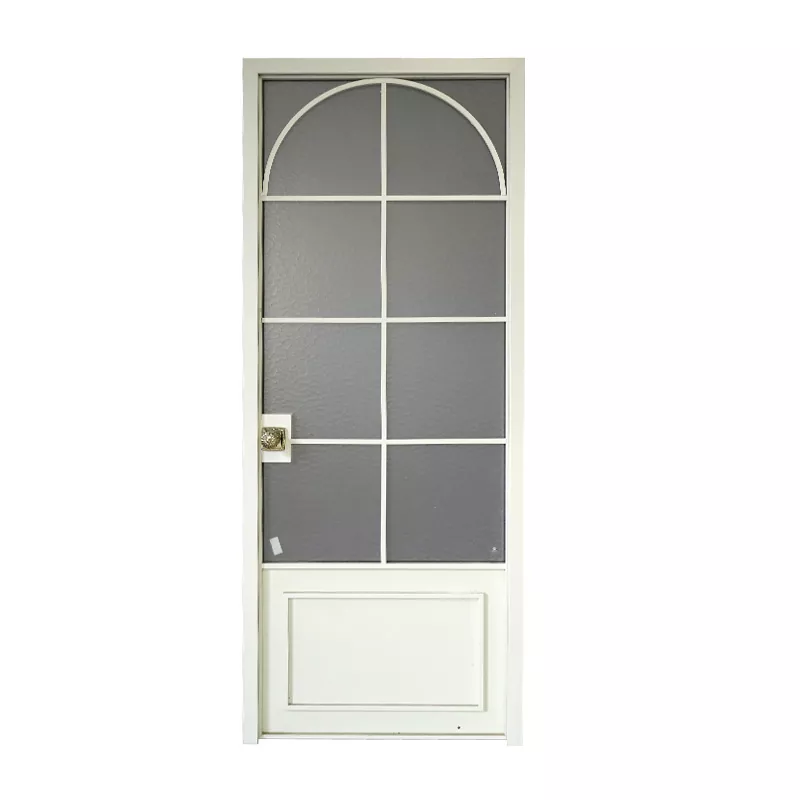
Each type serves different functional and aesthetic needs, making it essential to match the door with your environment and usage requirements.
Many customers hesitate due to higher upfront costs. However, the long-term benefits outweigh initial investment:
| Factor | Traditional Doors | Eco-Friendly Doors |
|---|---|---|
| Initial Cost | Lower | Moderate |
| Energy Savings | Low | High |
| Lifespan | Short | Long |
| Maintenance | Frequent | Minimal |
Over time, eco-friendly doors often pay for themselves through reduced energy costs and maintenance expenses.
When selecting a door, consider the following:
Working with experienced suppliers like Weifang Kamulang Home Technology Co., Ltd. ensures you receive tailored solutions that meet both performance and design expectations.
A door is only as effective as its installation and material quality. Cutting corners here often leads to higher costs later.
Q1: Are eco-friendly doors really worth the investment?
Yes. They reduce energy costs, last longer, and contribute to a healthier living environment.
Q2: Do eco-friendly doors require special maintenance?
No. Most are designed for durability and require less maintenance than traditional doors.
Q3: Can eco-friendly doors match modern design trends?
Absolutely. They are available in a wide range of styles, finishes, and configurations.
Q4: How do I verify if a door is truly eco-friendly?
Check for material sourcing, manufacturing processes, and recognized environmental certifications.
Eco-friendly doors are a strategic investment for anyone looking to improve energy efficiency, reduce environmental impact, and enhance property value. By selecting high-quality materials and working with trusted manufacturers like Weifang Kamulang Home Technology Co., Ltd., you can achieve both sustainability and performance without compromise.
If you are ready to upgrade your space with high-performance eco-friendly doors, explore professional solutions tailored to your needs—contact us today to get expert guidance and competitive pricing.
No. 5857, Donghong Road, Xinzhai Street, Linqu County, Weifang City, Shandong Province, China
Copyright © 2026 Weifang Kamulang Home Technology Co., Ltd. All Rights Reserved.