News

How Aluminum Art Guardrails Enhance Safety, Design, and Value?

2026-05-11 0 Leave me a message

Article Abstract

Aluminum art guardrails represent a modern fusion of structural safety and architectural aesthetics. Unlike traditional railings that prioritize only function, these systems deliver durability, corrosion resistance, and customizable artistic expression. This article explores their definition, benefits, manufacturing principles, application scenarios, and installation logic, while addressing common concerns from buyers and project developers. Whether used in residential balconies, commercial complexes, or public infrastructure, aluminum art guardrails provide long-term value and design flexibility.

Aluminum Art Guardrails

Article Outline

  • Definition and structural features of aluminum art guardrails
  • Core advantages in safety, aesthetics, and durability
  • Engineering and fabrication process overview
  • Installation workflow and best practices
  • Use cases in residential, commercial, and public projects
  • Material comparison with steel, wood, and iron
  • Maintenance requirements and lifecycle considerations
  • Frequently asked buyer concerns and professional answers

What Are Aluminum Art Guardrails?

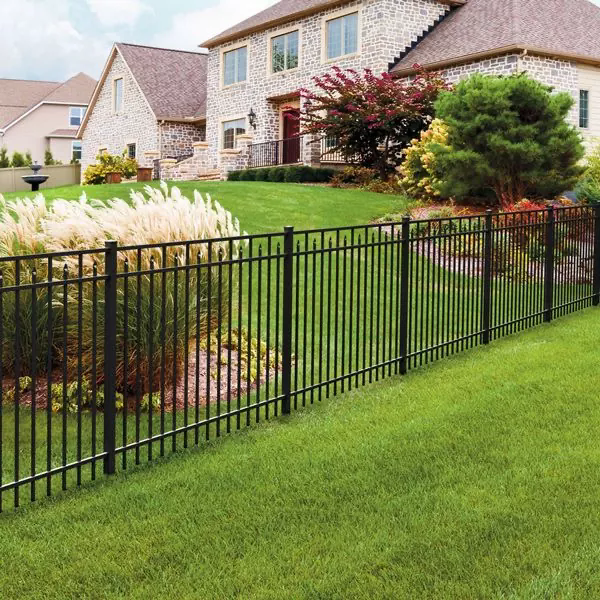
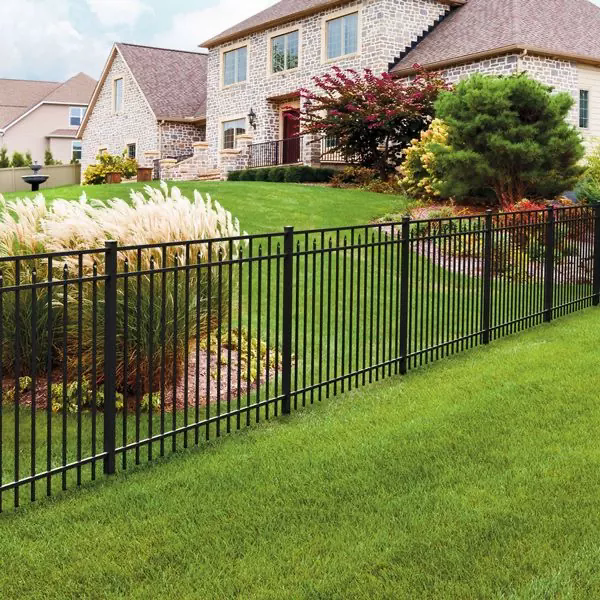
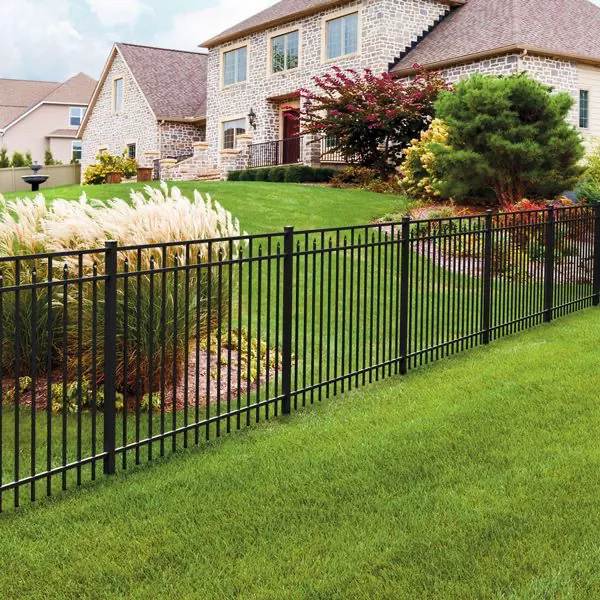
Aluminum art guardrails are protective barrier systems made primarily from high-grade aluminum alloys, designed to provide safety while integrating decorative architectural elements. Unlike conventional railings, they are not purely functional; they are engineered to complement building aesthetics.

These guardrails typically feature powder-coated finishes, CNC-cut artistic patterns, modular assembly systems, and corrosion-resistant properties that make them suitable for both indoor and outdoor environments.

Why Choose Aluminum Art Guardrails?

Buyers often face challenges such as rusting metal railings, high maintenance costs, and outdated designs. Aluminum art guardrails solve these issues by combining engineering efficiency with visual appeal.

  • Corrosion Resistance: Ideal for coastal and humid environments.
  • Lightweight Structure: Easier transport and installation compared to steel.
  • Design Flexibility: Custom patterns, colors, and finishes available.
  • Low Maintenance: No need for frequent repainting or anti-rust treatment.
  • Long Service Life: Aluminum alloys ensure structural integrity for years.
In modern construction, decision-makers increasingly prioritize materials that reduce lifecycle costs while maintaining aesthetic integrity.

How They Are Designed and Installed

The production and installation of aluminum art guardrails follow a precision-driven workflow to ensure safety and design consistency.

Design and Engineering Process

  • Concept sketching based on architectural requirements
  • 3D modeling for structural simulation
  • Load-bearing and safety compliance calculations
  • Pattern customization and aesthetic alignment

Installation Workflow

  • Site measurement and pre-installation assessment
  • Prefabricated module delivery
  • Anchor system setup and base fixing
  • Panel assembly and alignment adjustment
  • Final inspection and safety testing

Companies like Kamulang Aluminum specialize in delivering end-to-end guardrail systems with consistent quality control and architectural adaptability.

Applications Across Industries

Aluminum art guardrails are widely used due to their versatility and performance reliability.

  • Residential balconies and staircases
  • Commercial shopping malls and office buildings
  • Hotels and resort landscapes
  • Public infrastructure such as bridges and walkways
  • Industrial facility safety barriers

Material Comparison Table

Material Durability Maintenance Aesthetic Flexibility Corrosion Resistance
Aluminum Art Guardrails High Low Very High Excellent
Steel Guardrails Very High Medium-High Medium Low (without coating)
Wood Guardrails Medium High High Low
Iron Guardrails High High Medium Low

Maintenance and Longevity

One of the strongest advantages of aluminum systems is their minimal maintenance requirement. Regular cleaning with mild detergent and periodic inspection of fasteners is usually sufficient.

  • Avoid abrasive cleaning materials
  • Inspect joints annually for structural integrity
  • Recoat only if surface damage occurs (rare)

When properly installed, aluminum art guardrails can last decades without significant performance degradation.

Frequently Asked Questions

Q1: Are aluminum art guardrails strong enough for high-rise buildings?
Yes, they are engineered to meet structural load requirements and safety regulations for high-rise applications.

Q2: Can the design be customized?
Absolutely. Patterns, colors, and shapes can be fully customized to match architectural themes.

Q3: Do they rust over time?
Aluminum naturally resists corrosion, making rusting virtually nonexistent under normal conditions.

Q4: Is installation complicated?
With prefabricated modules, installation is efficient and requires less on-site fabrication work.

Conclusion & Contact

Aluminum art guardrails offer a balanced solution between structural safety and architectural beauty. Their adaptability, durability, and low maintenance make them a preferred choice for modern construction projects. From residential upgrades to large-scale commercial developments, they provide both functional and aesthetic value.

Kamulang Aluminum continues to deliver innovative guardrail solutions tailored to diverse engineering needs, ensuring each project meets both safety standards and design expectations.

Ready to elevate your project with premium aluminum art guardrails?
Contact Kamulang Aluminum today for professional consultation and customized solutions.
Related News
Leave me a message
X
We use cookies to offer you a better browsing experience, analyze site traffic and personalize content. By using this site, you agree to our use of cookies. Privacy Policy
Reject Accept