News

Why Are Paint-Free Wooden Doors a Smart Choice for Modern Homes and Commercial Interiors

2026-10-19 0 Leave me a message

Article Summary: Paint-free wooden doors offer a practical combination of contemporary design, convenient maintenance, and efficient installation. By using decorative surface materials instead of conventional on-site painting, these doors help simplify interior finishing while providing versatile colors, woodgrain textures, and structural options. Kamulang manufactures paint-free wooden doors with customizable MDF surface panels, composite wood frames, optional core materials, and PUR seamless edge banding. This guide explains how these doors work, their advantages, the materials to compare, and the factors buyers should evaluate before placing an order.

Paint-Free Wooden Doors

Table of Contents

  1. What Are Paint-Free Wooden Doors?
  2. What Are the Main Benefits of Paint-Free Wooden Doors?
  3. Materials and Construction: What Should Buyers Know?
  4. Paint-Free Wooden Doors vs. Traditional Painted Doors
  5. Where Can Paint-Free Wooden Doors Be Used?
  6. How to Choose the Right Paint-Free Wooden Doors
  7. Installation and Maintenance Recommendations
  8. Frequently Asked Questions
  9. Conclusion: A Practical Solution for Modern Interiors

What Are Paint-Free Wooden Doors?

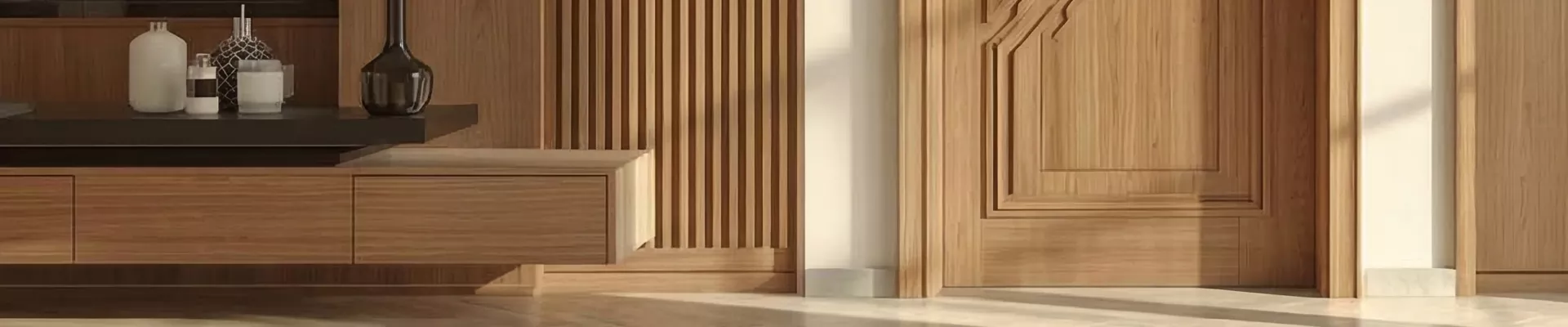
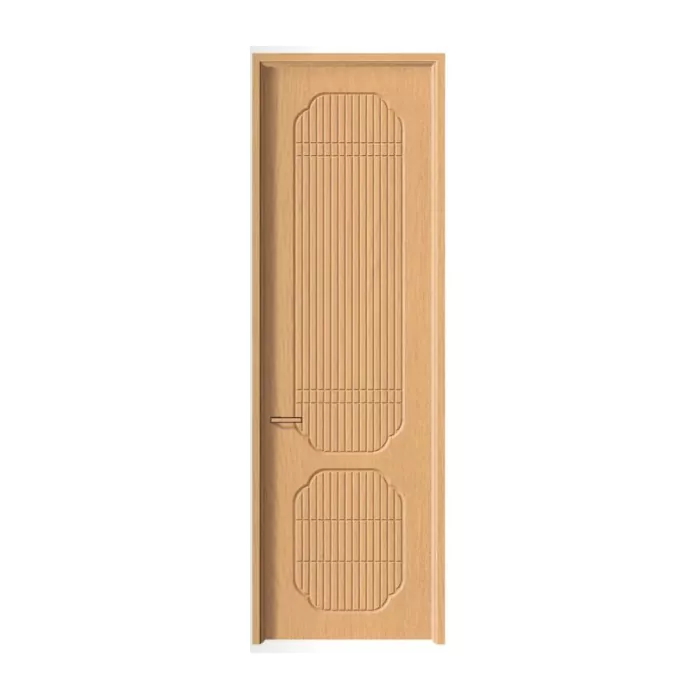
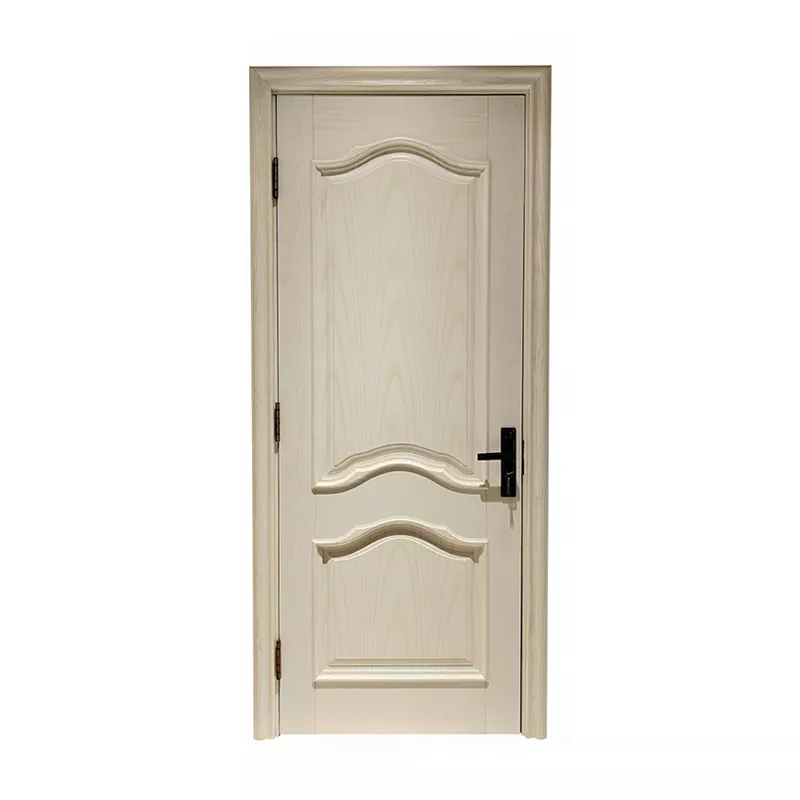
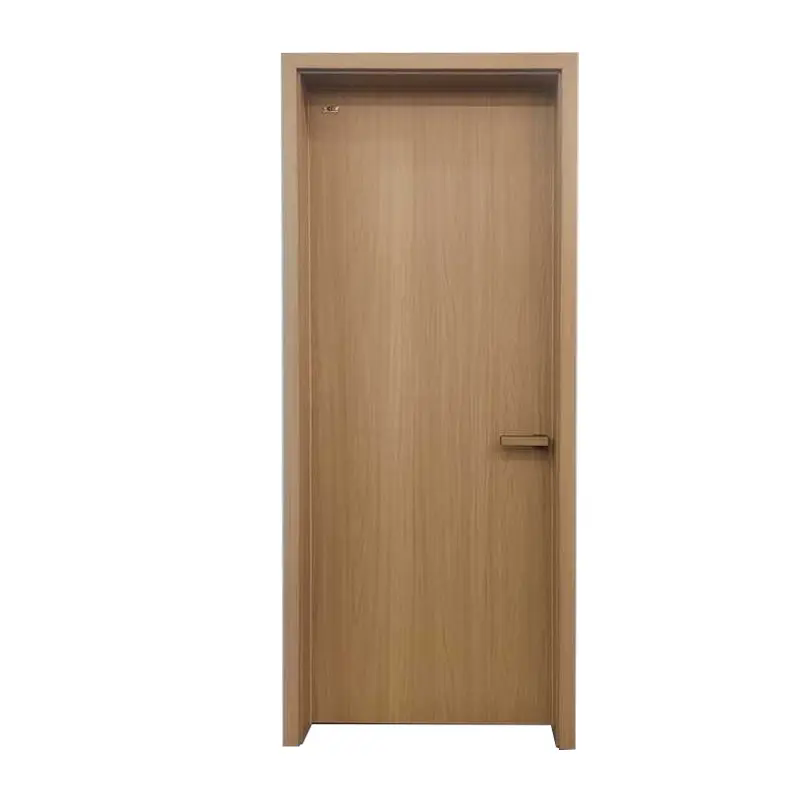
Paint-free wooden doors are interior doors manufactured with a finished decorative surface, eliminating the need for conventional painting after installation. Instead of applying wet paint to the door leaf at the construction site, manufacturers use laminated decorative panels, printed surface films, or other pre-finished materials to achieve the desired appearance.

The term "paint-free" does not necessarily mean that a door contains no adhesives, coatings, or chemical substances. It describes the finishing approach rather than guaranteeing a particular environmental performance. Buyers should therefore review the actual surface materials, adhesive specifications, and relevant emissions test reports when environmental requirements are important.

At Kamulang, paint-free wooden doors combine decorative MDF panels with configurable internal cores and solid wood composite frames. The product range supports customized colors, woodgrain patterns, dimensions, and internal structures, making it suitable for residential and commercial interior projects.

For more product information, visit Kamulang Paint-Free Wooden Doors or explore its broader interior wooden door collection.


What Are the Main Benefits of Paint-Free Wooden Doors?

1. Reduced On-Site Finishing Work

Traditional unfinished wooden doors may require sanding, priming, painting, drying, and additional surface inspection. Pre-finished doors arrive with their decorative surfaces already completed, reducing the need for these operations during installation.

This can simplify scheduling for contractors, particularly when multiple rooms or residential units must be completed within a limited period. However, installation still requires accurate measurements, appropriate hardware, and correct alignment.

2. Consistent Colors and Decorative Textures

Paint-free wooden doors are available in a range of solid colors and woodgrain designs. Neutral shades such as white, gray, and beige complement minimalist interiors, while woodgrain finishes can create a warmer appearance in bedrooms, apartments, and hospitality spaces.

Factory-applied decorative surfaces also help maintain visual consistency across multiple doors. This is particularly useful for property developers and interior designers working with standardized room layouts.

3. Convenient Everyday Cleaning

Many laminated decorative surfaces have a smooth finish that can be cleaned with a soft cloth and a mild cleaning solution. Their maintenance requirements are generally straightforward, although resistance to scratches, stains, moisture, and cleaning chemicals depends on the specific surface material.

4. Flexible Internal Construction

The door's core influences its weight, rigidity, acoustic performance, and thermal behavior. Depending on the model, buyers may choose from different engineered wood core configurations to balance cost, performance, and project requirements.

5. More Efficient Project Procurement

When the surface finish, door dimensions, frame design, and hardware requirements are agreed upon in advance, paint-free wooden doors can help simplify bulk purchasing and installation planning. Consistent specifications also make it easier to coordinate doors with flooring, wall panels, wardrobes, and other interior finishes.


Materials and Construction: What Should Buyers Know?

Understanding the components of a door is essential when comparing products. A similar external appearance does not necessarily indicate the same internal structure or long-term performance.

Surface Panels

Medium-density fiberboard (MDF) is commonly used as a decorative door panel substrate because it provides a relatively smooth, uniform surface for laminating and printing. The final appearance depends on the decorative film, texture, color, and manufacturing process.

Core Materials

The internal filling can influence the door's structural stability and sound transmission. Kamulang lists several configurable options, including solid wood bridge boards, particle bridge boards, solid wood silent boards, and graphite homogeneous boards. The most suitable option depends on the intended application and the required performance.

PUR Seamless Edge Banding

Edge sealing is an important consideration because exposed edges can be vulnerable to moisture penetration and surface separation. Polyurethane reactive (PUR) hot-melt adhesive is used in edge-banding processes to create a durable bond between the decorative edge material and the panel.

Properly executed edge banding can help improve edge durability and moisture resistance. It does not, however, make every wooden door waterproof or suitable for prolonged direct contact with water.

Door Frames and Hardware Reinforcement

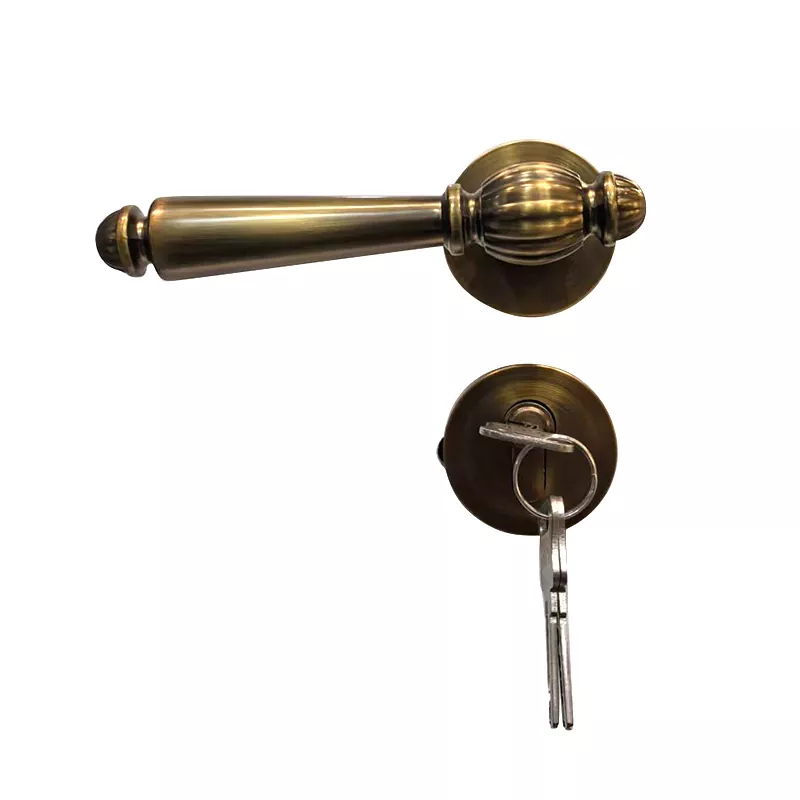
The frame, hinge fixing points, lock area, and installation clearances all contribute to reliable daily operation. For frequently used doors, buyers should confirm that the construction supports the selected hinges, locks, and expected usage frequency.


Paint-Free Wooden Doors vs. Traditional Painted Doors

Both finishing methods can deliver attractive interior doors, but they differ in production workflow, appearance, and maintenance considerations. The following comparison can help homeowners, contractors, and purchasing teams identify the more suitable option.

Comparison Factor Paint-Free Wooden Doors Traditional Painted Wooden Doors
Surface finishing Uses a pre-finished decorative surface Uses a paint or lacquer finishing process
On-site painting Generally unnecessary May be required for unfinished products
Design options Decorative films, printed patterns, and woodgrain finishes Paint colors, gloss levels, and specialty painted effects
Installation workflow Can reduce finishing steps after delivery May require additional drying and curing time
Surface repair Matching a damaged film or panel may be necessary Some painted surfaces may be sanded and refinished
Maintenance Usually simple cleaning with suitable products Depends on paint quality and surface condition
Best selection criteria Consistent appearance and streamlined installation Specific paint effects or future refinishing preferences

Neither option is automatically superior in every situation. Buyers should compare the actual materials, finish durability, installation costs, warranty terms, and intended service environment rather than relying on the product name alone.


Where Can Paint-Free Wooden Doors Be Used?

Because they are available in different colors, patterns, sizes, and core configurations, paint-free wooden doors can serve a variety of indoor applications.

  • Residential bedrooms: Neutral colors and woodgrain surfaces complement modern, Scandinavian, and minimalist interiors.
  • Living rooms and private studies: Coordinated door finishes help create a unified visual style across connected spaces.
  • Hotels and serviced apartments: Standardized designs support consistent room aesthetics and streamlined procurement.
  • Office buildings: Simple finishes work well with contemporary office layouts, meeting rooms, and internal partitions.
  • Schools and residential developments: Repeatable specifications can simplify purchasing for multi-unit projects, subject to the applicable safety and performance requirements.

For bathrooms, kitchens, and other areas exposed to elevated humidity, buyers should verify the moisture resistance of the complete door assembly, including its core, edges, frame, and hardware. Where fire resistance or enhanced acoustic insulation is required, the selected door system must have appropriate supporting test documentation.


How to Choose the Right Paint-Free Wooden Doors

A reliable purchasing decision begins with a clear project specification. Appearance matters, but the internal construction, installation conditions, and after-sales support are equally important.

  1. Define the application. Identify whether the door will be installed in a bedroom, hotel, office, or another interior space.
  2. Confirm the dimensions. Check the opening width and height, wall thickness, frame dimensions, and required door-leaf thickness before ordering.
  3. Select the core structure. Discuss sound insulation, weight, rigidity, and budget with the supplier before finalizing the internal filling.
  4. Choose the surface finish. Compare physical samples under the intended lighting conditions and coordinate colors with floors and wall finishes.
  5. Evaluate edge sealing. Ask about PUR edge banding or other specified edge treatments and confirm how the manufacturer controls bonding quality.
  6. Verify environmental claims. Request applicable emissions reports and documentation for the panels, adhesives, and finished door where needed.
  7. Check hardware compatibility. Confirm hinge positions, lock preparation, handle options, and frame compatibility.
  8. Review the commercial terms. Establish minimum order quantities, customization fees, production lead times, packaging, shipping arrangements, warranty coverage, and replacement-part availability.

For wholesale buyers, requesting a representative sample and a written technical specification before mass production can reduce misunderstandings. Confirming the approved finish and dimensions in writing is particularly valuable when multiple production batches must match.


Installation and Maintenance Recommendations

Even a well-manufactured door depends on correct installation and appropriate care. Following a few practical guidelines can help preserve its appearance and operation.

  • Store door leaves flat or in the manufacturer's recommended position in a dry, ventilated area before installation.
  • Allow the products to acclimatize according to the supplier's installation instructions and the conditions of the building.
  • Use qualified installers to align the frame, hinges, latch, and door leaf correctly.
  • Clean the surface with a soft cloth and a mild, compatible cleaning solution.
  • Avoid abrasive pads, aggressive solvents, and excessive water unless the manufacturer confirms that they are suitable.
  • Inspect exposed edges, hinges, handles, and seals periodically, especially in high-use areas.
  • Address leaks and persistent humidity promptly instead of relying on edge sealing alone to prevent water damage.

Before installation, project teams should also verify that the delivered product matches the approved sample and order documentation. Early inspection can help identify transport damage, incorrect dimensions, or hardware discrepancies before the doors are fitted.


Frequently Asked Questions

1. What does "paint-free" mean for wooden doors?

It means the door uses a pre-finished decorative surface rather than requiring conventional painting after installation. The surface may incorporate laminated panels, printed films, or other factory-applied finishes.

2. Are paint-free wooden doors environmentally friendly?

They can reduce the need for on-site painting, but environmental performance depends on the substrate, adhesives, decorative materials, and manufacturing process. Buyers should request relevant emissions test reports and product documentation rather than assuming that every paint-free door is formaldehyde-free or has zero VOC emissions.

3. Are paint-free wooden doors waterproof?

Not necessarily. Some models feature moisture-resistant panels and edge sealing, but the complete assembly may still be vulnerable to prolonged water exposure. Confirm the manufacturer's documented moisture-resistance rating before selecting a door for a humid environment.

4. Can paint-free wooden doors be customized?

Yes. Depending on the manufacturer and order requirements, customization may include door dimensions, colors, woodgrain patterns, core materials, frame configurations, and hardware preparation. Kamulang supports customized specifications, so buyers can discuss their drawings and project requirements directly with the company.

5. How thick are Kamulang paint-free wooden doors?

Kamulang lists a standard door thickness range of 42–48 mm for its paint-free wooden door offering, with non-standard customization available. Buyers should confirm the final thickness and compatible frame dimensions for their specific order.

6. Do paint-free wooden doors provide sound insulation?

Sound insulation depends on the door core, leaf construction, perimeter seals, frame installation, and gaps around the opening. Kamulang describes multiple core options for acoustic performance. Ask for test data for the specific configuration if a defined sound reduction level is required.

7. Are paint-free wooden doors suitable for hotels and commercial projects?

They can be suitable for hotels, offices, apartments, and other interior projects where consistent finishes and efficient installation are priorities. Commercial buyers should additionally verify durability, fire-rating requirements, acoustic specifications, hardware compatibility, and maintenance arrangements.

8. What should buyers request before placing a bulk order?

Request a product sample, confirmed dimensions, core and surface specifications, edge-banding details, applicable test reports, packaging information, production lead time, warranty terms, and a written quotation. These details help align expectations before manufacturing begins.


Conclusion: A Practical Solution for Modern Interiors

Paint-free wooden doors provide an attractive option for projects that prioritize coordinated interior design, reduced on-site finishing, and straightforward everyday maintenance. Their real-world performance depends on the quality of the decorative surface, core materials, edge sealing, hardware, and installation. Comparing these details is the best way to select a door that fits both the design concept and the demands of its intended environment.

Kamulang offers paint-free wooden doors with customizable decorative panels, multiple core options, composite frames, and PUR seamless edge banding to support residential and commercial purchasing needs. Whether you are sourcing doors for a home renovation, hospitality development, or wholesale distribution, explore Kamulang's paint-free wooden door solutions to review the available configurations. Contact Kamulang today to discuss your dimensions, preferred finishes, technical specifications, and order quantities. Contact us for a tailored quotation and professional support in planning your next interior door project.

Related News
Leave me a message
X
We use cookies to offer you a better browsing experience, analyze site traffic and personalize content. By using this site, you agree to our use of cookies. Privacy Policy
RejectAccept