News

How Can the Right Door Stops Protect Your Doors, Walls, and Interior Spaces

2026-10-29 0 Leave me a message

Article Summary: Door stops are essential hardware accessories that help prevent door impact, protect walls and door panels, and improve everyday convenience. This guide explains how to choose the right door stops for residential, hotel, and commercial applications, comparing mounting methods, materials, finishes, magnetic holding functions, and installation considerations. Discover how Kamulang door stops can support practical door protection, quieter operation, and coordinated interior design.

Kamulang provides practical door stops designed to help keep doors in position, reduce impact damage, and improve the functionality of interior spaces. With floor-mounted and wall-mounted options, customizable materials, and multiple surface finishes, these door hardware accessories offer a flexible solution for homeowners, contractors, wholesalers, and commercial project buyers.

Door Stops

Table of Contents


Why Are Door Stops Important?

A door may appear to be a simple building component, but its repeated movement can place stress on nearby walls, door panels, handles, hinges, and decorative finishes. Wind, sudden opening movements, and everyday traffic can cause a door to swing farther than intended. Without a suitable stopping mechanism, these impacts may result in scratches, dents, loose hardware, or costly repairs.

Well-selected door stops provide a controlled contact point or holding position that helps reduce these risks. Depending on the design, they can also keep a door open for ventilation, cleaning, furniture movement, or convenient passage between rooms.

The main benefits include:

  • Wall protection: Helps prevent door handles and panels from striking painted walls, tiles, or other nearby surfaces.
  • Door protection: Reduces repeated impact on door edges, handles, and associated hardware.
  • Noise reduction: Rubber or other resilient contact pads can soften contact and reduce impact noise.
  • Convenient access: Magnetic models can help hold a compatible door in an open position.
  • Interior coordination: Different shapes and finishes allow the hardware to complement the surrounding decor.

For residential renovations and commercial construction, selecting door hardware early can help avoid installation conflicts and improve the finished result.


What Types of Door Stops Are Available?

The best door stop depends on the available mounting surface, door swing, required holding function, and expected frequency of use. Kamulang offers floor-mounted and wall-mounted options, including magnetic designs intended to help secure an open door.

1. Floor-Mounted Door Stops

Floor-mounted door stops are installed on the floor at a suitable point along the door's swing path. They provide a fixed stopping position and can be useful when the wall is unsuitable for mounting or when the required contact point is closer to the floor.

Before choosing this type, check the floor material, cleaning requirements, pedestrian traffic, and potential trip hazards. Accurate positioning is essential to prevent the door from hitting the wall before reaching the stop.

2. Wall-Mounted Door Stops

Wall-mounted door stops attach to a suitable wall surface and create a buffer between the wall and the moving door. They can be a practical option for bedrooms, offices, and other spaces where floor drilling should be minimized.

Installation requires an appropriate mounting location and secure fixing. The stop must project far enough to protect the wall without interfering with the door handle, trim, or other nearby fittings.

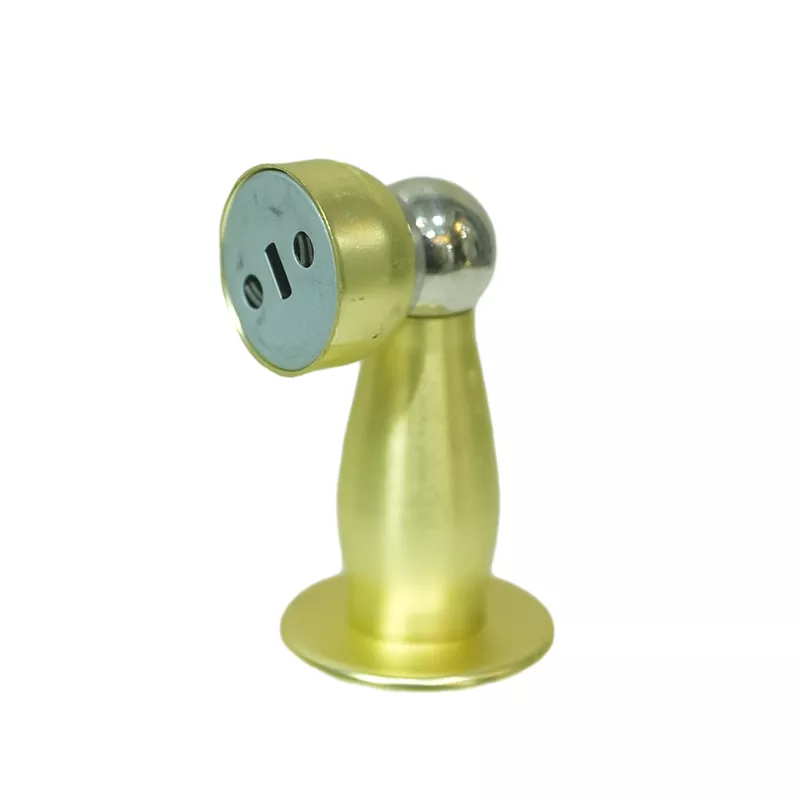
3. Magnetic Door Stops

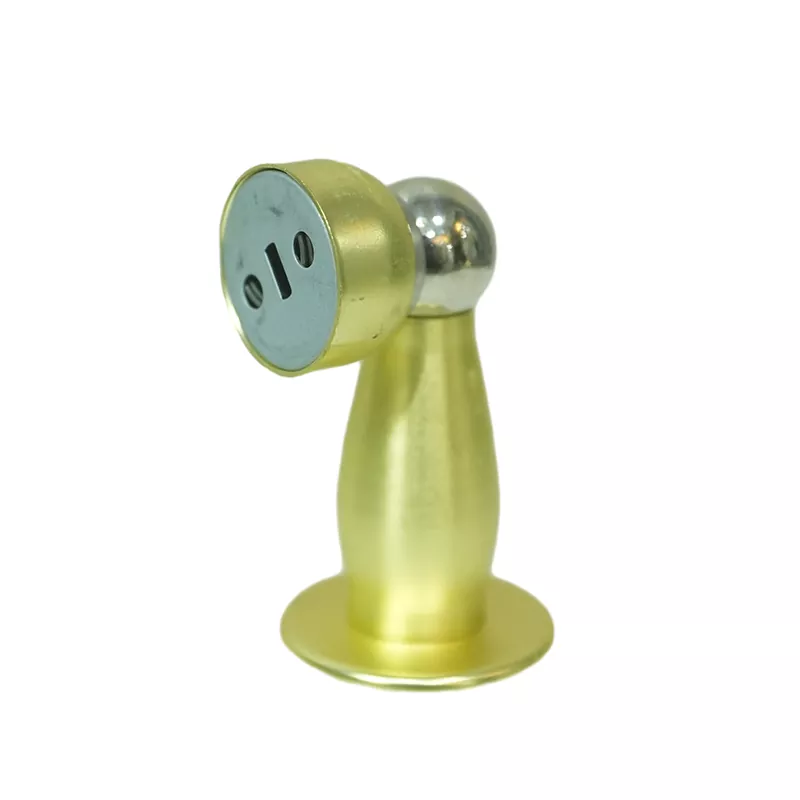
Magnetic door stops combine a stopping function with a holding mechanism. When the door reaches the intended open position, the magnetic components engage to help keep it in place. This can be useful in spaces where doors need to remain open temporarily for ventilation, cleaning, or movement of equipment.

Kamulang describes magnetic adsorption, a cushioning contact surface, and floor-mounted or wall-mounted installation options among its product features. Buyers should confirm the holding force, compatible door configuration, and installation requirements for their intended application.

4. Choosing Between Different Designs

Traditional fixed stops, magnetic stops, and other door-limiting devices do not perform exactly the same function. A fixed stop limits travel, while a magnetic model can also help retain the door in an open position. Neither should automatically be treated as a substitute for a required fire-door closer, safety device, or code-compliant hold-open system.

For product-specific options, visit the Kamulang door stops product page.


Which Materials and Finishes Should You Choose?

Material selection affects the appearance, durability, corrosion resistance, and maintenance needs of door hardware. Kamulang identifies zinc alloy and stainless steel as available main-body material options, with finishes that can be customized according to project requirements.

Selection Factor Available Option Key Consideration
Main body Zinc alloy Suitable for many decorative and general-purpose hardware applications; confirm the specific grade and construction.
Main body Stainless steel Useful where corrosion resistance and long-term surface performance are important; confirm the stainless steel grade.
Surface finish Bright chrome Creates a clean, reflective appearance that can coordinate with modern fittings.
Surface finish Matte black Provides a contrasting, contemporary look for modern interiors.
Surface finish Brushed gold Can complement premium decorative hardware and warm-toned interiors.
Surface finish Antique bronze Works well with traditional or vintage-inspired interior designs.
Contact component Rubber or resilient cushioning pad Helps soften contact and reduce noise; check wear resistance and replacement options.

These options should be treated as a selection guide rather than a guarantee that every material and finish combination is available in every model. Buyers should confirm the precise specification before ordering.

For demanding environments, ask about corrosion testing, surface-treatment consistency, cleaning compatibility, and the suitability of the mounting hardware. The finish alone does not establish the performance of the complete product.


Where Can Door Stops Be Used?

Door stops can improve everyday door operation across a wide range of interior environments. The correct design depends on traffic levels, door weight, surrounding surfaces, and whether the door needs to remain open.

Residential Properties

Bedrooms, studies, kitchens, and balcony access areas may benefit from door stops that help prevent accidental impacts and support convenient ventilation. Coordinated finishes can also complement door handles, hinges, and other decorative fittings.

Hotels and Hospitality Projects

Hotel guest rooms, service areas, and selected common spaces often require hardware that combines a neat appearance with reliable everyday operation. A suitable stop can help staff move cleaning equipment and supplies while reducing damage to doors and walls.

Offices and Commercial Buildings

Meeting rooms, internal offices, and frequently used passage doors may benefit from carefully positioned stops that reduce contact damage. For high-traffic installations, buyers should prioritize secure fixing, durability, accessibility, and compatibility with the door's operating system.

New Construction and Renovation

During a renovation, a door stop can help protect newly painted walls and finished floors. For new construction, confirming the stop's location before finalizing the door swing, skirting board, and nearby furniture can reduce rework.


How Do You Choose the Right Door Stops?

Choosing door stops should involve more than comparing prices or finishes. A product that looks appropriate may still be unsuitable if its projection, mounting method, or holding function does not match the installation.

Use the following checklist when comparing products:

  1. Confirm the door type. Identify whether the door is wooden, metal, glass, or another construction, and check its weight and movement range.
  2. Assess the mounting surface. Determine whether the floor or wall can securely support the selected stop and its fasteners.
  3. Measure the swing path. Establish the maximum opening angle and the distance between the door and the surface that needs protection.
  4. Decide whether magnetic holding is necessary. If the door must stay open, confirm the holding mechanism is compatible with the intended use.
  5. Compare material and finish options. Consider appearance, corrosion exposure, cleaning methods, and maintenance requirements.
  6. Check the contact surface. Look for suitable cushioning to reduce impact noise and avoid unnecessary marking.
  7. Verify fixing details. Ask about supplied fasteners, installation instructions, and compatibility with the actual substrate.
  8. Review project quantities and customization. Confirm dimensions, packaging, finish consistency, and production lead times for bulk orders.

For buyers sourcing door stops from China, a clear specification sheet can make quotation and quality comparison more efficient. Include photographs or drawings, mounting requirements, material expectations, finish references, and estimated order quantities.


How Should Door Stops Be Installed and Maintained?

Correct installation helps the product perform as intended and reduces the risk of loose fittings or accidental damage. Although installation methods vary by model, several general practices apply to most fixed door stops.

Installation Recommendations

  • Open the door carefully to determine the intended stopping position before drilling.
  • Check for concealed pipes, electrical wiring, underfloor heating, or other services before making holes.
  • Choose fasteners appropriate for the mounting substrate and product design.
  • Verify that the stop contacts the intended part of the door without placing unnecessary pressure on glass, handles, or delicate panels.
  • For magnetic models, align the corresponding components according to the manufacturer's instructions.
  • Test the door through its normal operating range after installation.

Routine Maintenance

Periodically inspect the mounting screws, contact pads, magnetic components, and visible surface finish. Remove dust and dirt with a compatible cleaning method, and avoid harsh chemicals that could damage the finish. Replace worn cushioning components where replacement is supported by the product design.

If a door stop becomes loose, shifts position, or no longer holds the door as expected, investigate the fixing and alignment rather than relying on additional force. Heavy or frequently used doors may require a more robust hardware solution.


What Quality Features Should Buyers Evaluate?

For distributors, contractors, importers, and project procurement teams, product quality should be evaluated through clear specifications and verifiable checks rather than appearance alone.

Kamulang states that its door stops undergo adsorption-force testing and salt-spray rust-resistance testing before leaving the factory. The company also identifies installation guidance, after-sales support, and customized material and surface-treatment solutions as part of its service offering.

When reviewing a potential supplier, consider requesting information on the following points:

  • Material documentation: Confirm the specified alloy or stainless steel grade and any relevant supporting documentation.
  • Magnetic performance: Ask how holding force is evaluated and whether the test conditions reflect the intended application.
  • Corrosion resistance: Request the applicable salt-spray test method, duration, and acceptance criteria where relevant.
  • Dimensional consistency: Confirm critical dimensions, mounting-hole positions, and alignment tolerances.
  • Finish quality: Establish acceptable limits for visible defects, color variation, and coating consistency.
  • Packaging and delivery: Check protective packaging, order quantities, lead times, and replacement arrangements.
  • Customization capability: Clarify which materials, finishes, dimensions, and mounting configurations can be produced for the project.

Clear acceptance criteria help buyers compare suppliers more objectively and reduce misunderstandings during bulk purchasing. For broader hardware planning, you can also explore Kamulang's door and home hardware solutions to review related product categories.


Frequently Asked Questions

1. What are door stops used for?

Door stops limit door movement or help hold a door in an open position. They can reduce impact damage to walls, door panels, and nearby fittings while improving convenience in residential and commercial spaces.

2. What is the difference between floor-mounted and wall-mounted door stops?

Floor-mounted models attach to the floor and stop the door near its lower edge. Wall-mounted models attach to the wall and provide a contact point that protects the wall from the moving door. The best choice depends on the layout, mounting surface, and required stopping position.

3. Are magnetic door stops better than conventional door stops?

Magnetic door stops can provide an additional holding function, which is useful when a door needs to stay open. Conventional fixed stops may be sufficient when the main requirement is simply to limit door travel. The right choice depends on the application and the required holding performance.

4. Which materials are commonly used for door stops?

Common options include zinc alloy and stainless steel, often combined with rubber or another cushioning material at the contact point. Material selection should account for durability, corrosion exposure, appearance, and maintenance needs.

5. Can door stops be customized for a construction project?

Customization may include material selection, surface finish, dimensions, and mounting configuration, depending on the model and supplier's capabilities. Buyers should confirm minimum order quantities, available options, sample approval, and lead times before placing a bulk order.

6. How do I choose door stops for a hotel or office?

Evaluate door weight, frequency of use, mounting strength, contact cushioning, finish durability, and maintenance requirements. For public or commercial spaces, also check accessibility, trip hazards, fire-door requirements, and applicable building codes.

7. What should I ask a door stop supplier before ordering?

Request product dimensions, material specifications, available finishes, mounting instructions, relevant test information, packaging details, and delivery terms. For magnetic products, ask for holding-force data and the conditions under which it was measured.


Final Thoughts: Which Door Stops Are Right for Your Project?

The right door stops can help protect interior finishes, improve everyday door operation, and create a more coordinated hardware specification. By evaluating mounting methods, material choices, cushioning, magnetic holding requirements, and installation conditions, buyers can select a solution that fits both functional needs and design expectations.

Kamulang offers floor-mounted and wall-mounted door stop options, with material and surface-finish choices intended to support different residential and commercial projects. Whether you are sourcing hardware for a new development, upgrading an existing property, or purchasing for wholesale distribution, a clearly defined specification is the best starting point.

Looking for dependable door stops for your next project? Visit the Kamulang door stops collection to explore the available options. Contact our team to discuss your material preferences, finish requirements, mounting configuration, and bulk purchasing needs. Contact us today to request product details and a quotation tailored to your project.

Related News
Leave me a message
X
We use cookies to offer you a better browsing experience, analyze site traffic and personalize content. By using this site, you agree to our use of cookies. Privacy Policy
RejectAccept