News

Why Are Flat Panel Doors the Smart Choice for Modern Residential and Commercial Projects

2026-11-03 0 Leave me a message

As modern architecture increasingly emphasizes simplicity, functionality, and long-term durability, Flat Panel Doors have become a popular solution for contemporary interior spaces. At Kamulang, these doors combine minimalist aesthetics with practical performance features, including moisture resistance, sound insulation, thermal insulation, and customizable structural designs. Whether you are planning a residential renovation, developing a hotel, or sourcing doors for a large commercial project, understanding their construction, benefits, and selection criteria can help you make a more informed purchasing decision.

Flat panel doors offer a clean, understated appearance while providing functional advantages for modern buildings. Their smooth surfaces, adaptable finishes, reinforced internal structures, and moisture-resistant treatments make them suitable for homes, offices, hotels, educational facilities, and other commercial environments. This guide explores their construction, key benefits, material considerations, applications, manufacturing processes, and purchasing recommendations to help architects, contractors, distributors, and property developers select the right door solutions.

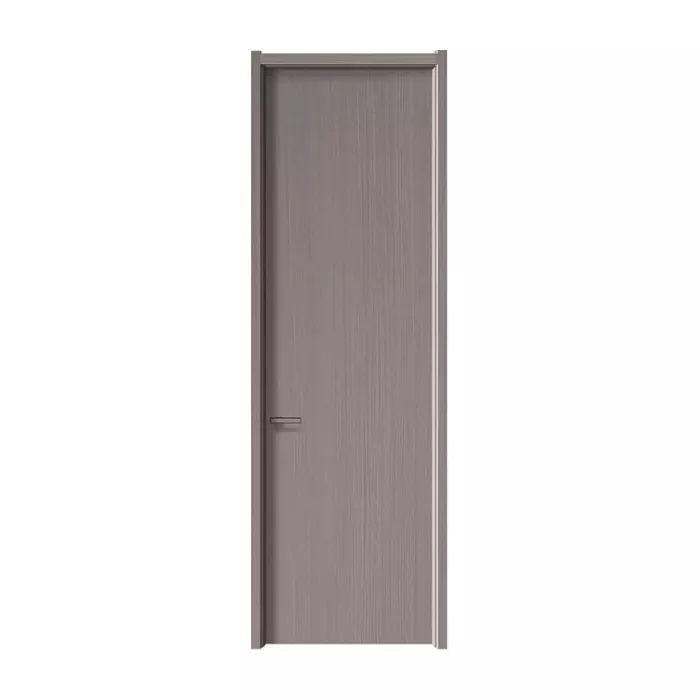
Flat Panel Doors

Table of Contents

  1. What Are Flat Panel Doors?
  2. What Are the Key Features of Flat Panel Doors?
  3. Materials and Construction: What Should Buyers Know?
  4. Why Choose Flat Panel Doors for Modern Buildings?
  5. Where Can Flat Panel Doors Be Used?
  6. Flat Panel Doors vs. Traditional Panel Doors
  7. How Are Quality Flat Panel Doors Manufactured?
  8. How to Choose the Right Flat Panel Doors?
  9. Installation and Maintenance Recommendations
  10. Frequently Asked Questions
  11. Conclusion: A Practical Door Solution for Modern Projects

1. What Are Flat Panel Doors?

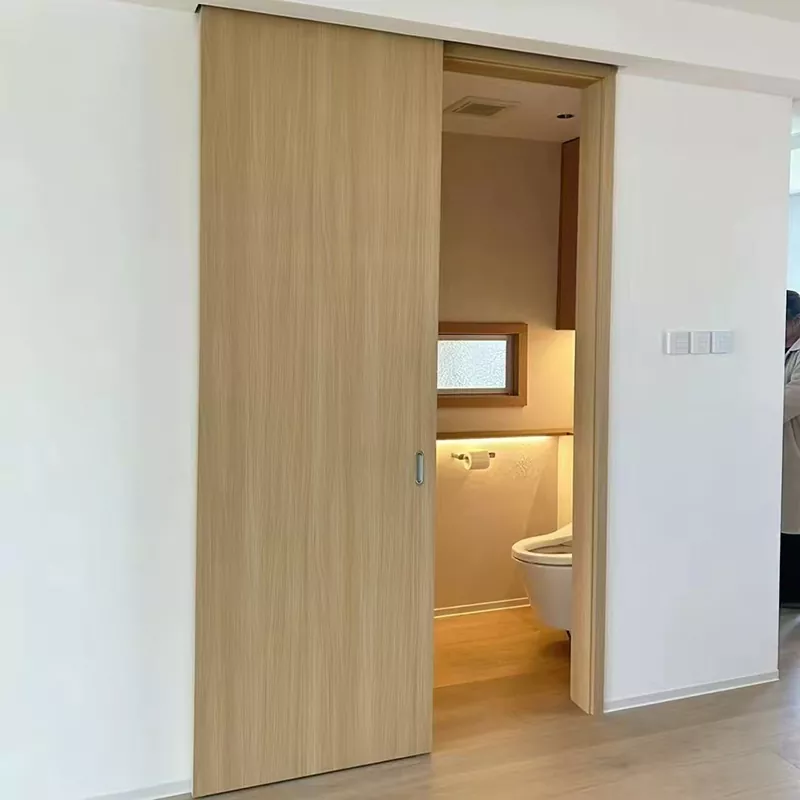
Flat panel doors are interior or architectural doors characterized by a relatively smooth, flat front surface without the raised profiles, recessed decorative sections, or complex moldings commonly found in traditional door designs.

Their understated appearance makes them particularly suitable for modern, minimalist, Scandinavian, contemporary, and industrial-inspired interiors. Rather than relying on elaborate decorative details, they create visual consistency through clean surfaces, balanced proportions, and carefully selected finishes.

However, a simple appearance does not mean a simple construction. High-quality flat panel doors can incorporate multiple structural components, including:

  • Reinforced door frames: Provide structural stability and support the overall door construction.
  • Specialized core materials: Help improve sound insulation, thermal performance, and dimensional stability.
  • Decorative surface finishes: Deliver a smooth appearance while supporting convenient cleaning and maintenance.
  • Protective edge treatments: Help protect vulnerable edges against moisture penetration and everyday wear.

For projects requiring large-format or extra-tall door leaves, structural reinforcement and precise manufacturing become especially important. Kamulang focuses on customized flat panel door solutions that address both architectural appearance and engineering requirements.


2. What Are the Key Features of Flat Panel Doors?

When evaluating flat panel doors, buyers should consider more than appearance. Material composition, edge treatment, environmental adaptability, and manufacturing accuracy all contribute to long-term performance.

2.1 Moisture and Mildew Resistance

Humidity can cause problems for conventional wooden doors, including swelling, deformation, surface deterioration, and mold development. Proper moisture-resistant materials and surface treatments help reduce these risks.

Kamulang flat panel doors incorporate moisture-protection considerations throughout the material and finishing processes. This makes them suitable for projects in coastal regions, humid climates, and indoor environments where moisture management is important. Actual suitability should be confirmed according to the selected configuration and exposure conditions.

2.2 Sound Insulation and Thermal Performance

Privacy and indoor comfort are essential in residential and commercial buildings. A properly designed door structure with suitable core materials can help reduce sound transmission between rooms.

Depending on the selected construction, a multi-layer composite structure can also contribute to thermal separation. Buyers should request tested acoustic and thermal performance data when these properties are critical to project specifications.

2.3 Minimalist and Environmentally Conscious Finishes

The flat surface provides flexibility in selecting colors, textures, and decorative finishes. Neutral tones such as white, gray, beige, and natural wood-inspired colors are particularly popular in contemporary interiors.

Where environmental performance matters, purchasers should also evaluate applicable material emission documentation, coating specifications, and relevant product certifications instead of relying solely on general environmental descriptions.

2.4 Precision Edge Treatment

Edges are important structural and visual components of a door. Kamulang adopts PUR edge banding to help improve edge integrity, surface consistency, and resistance to everyday environmental exposure.

Proper edge finishing also contributes to a more refined appearance, especially on large door leaves where minor manufacturing imperfections can become noticeable.


3. Materials and Construction: What Should Buyers Know?

The performance of flat panel doors depends heavily on their internal structure. Although two doors may look almost identical from the outside, their core materials, frame construction, bonding processes, and edge treatments can produce significantly different results.

Common construction considerations include:

  • Frame structure: A high-strength frame supports the door leaf and helps maintain its shape.
  • Core filling: Specialized filling materials can be selected according to sound insulation, thermal, weight, and structural requirements.
  • Surface layers: Decorative and protective finishes influence appearance, cleaning convenience, and resistance to daily wear.
  • Edge bonding: Appropriate edge-sealing technologies help protect internal components and improve overall product integrity.

For engineering projects, buyers should confirm the material specifications rather than assuming that all flat panel doors use the same composition.

In particular, large-size and extra-high door leaves require careful consideration of frame strength, core density, dimensional stability, hardware compatibility, and installation conditions.


4. Why Choose Flat Panel Doors for Modern Buildings?

Flat panel doors offer several advantages that make them attractive to architects, interior designers, contractors, and property developers.

4.1 A Timeless and Versatile Appearance

Simple door surfaces are easy to integrate into different architectural concepts. They complement modern apartments, luxury villas, office interiors, hotels, and commercial buildings without competing with other decorative elements.

4.2 Easier Daily Cleaning

Unlike doors with intricate grooves and decorative moldings, smooth surfaces generally have fewer areas where dust and dirt can accumulate. This makes routine cleaning more convenient, particularly in hotels, offices, schools, and healthcare facilities.

4.3 Better Project Customization

Large construction projects rarely have identical requirements. Different buildings may need specific door dimensions, finishes, internal structures, and performance characteristics.

Customized manufacturing allows buyers to coordinate door specifications with architectural drawings, functional requirements, and project budgets.

4.4 Practical Performance for Different Environments

With suitable materials and protective treatments, flat panel doors can be configured for environments where moisture management, acoustic privacy, and dimensional stability are important.

For procurement teams, combining these functional requirements into one coordinated specification can simplify product selection and project management.


5. Where Can Flat Panel Doors Be Used?

The versatility of flat panel doors makes them suitable for a wide range of residential and commercial applications.

5.1 Residential Buildings

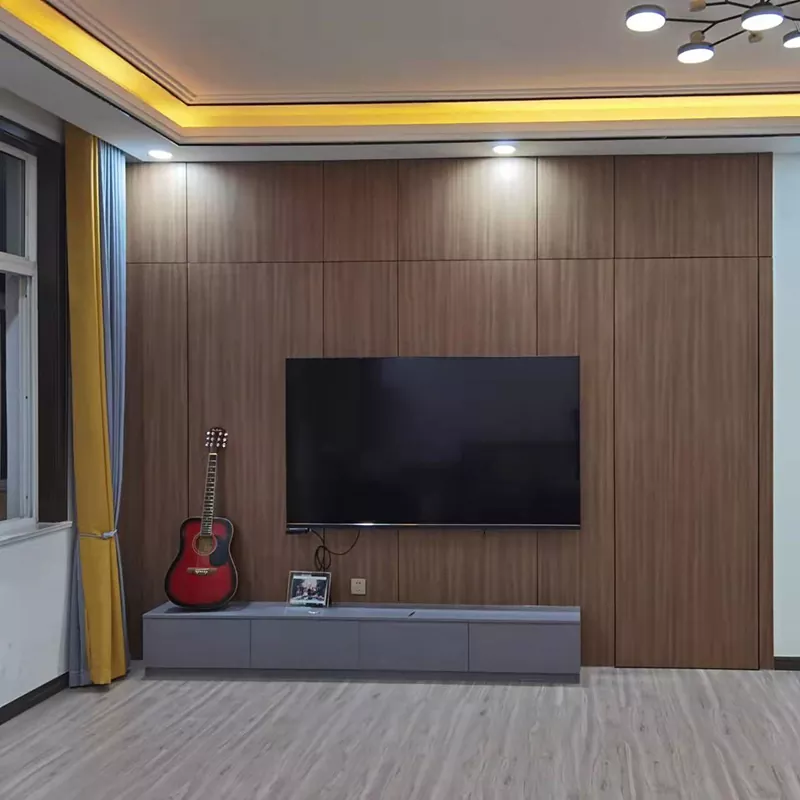
In apartments, villas, and private houses, flat panel doors create a consistent interior appearance. They are commonly considered for bedrooms, living areas, study rooms, and other interior spaces where clean architectural lines are preferred.

5.2 Hotels and Hospitality Projects

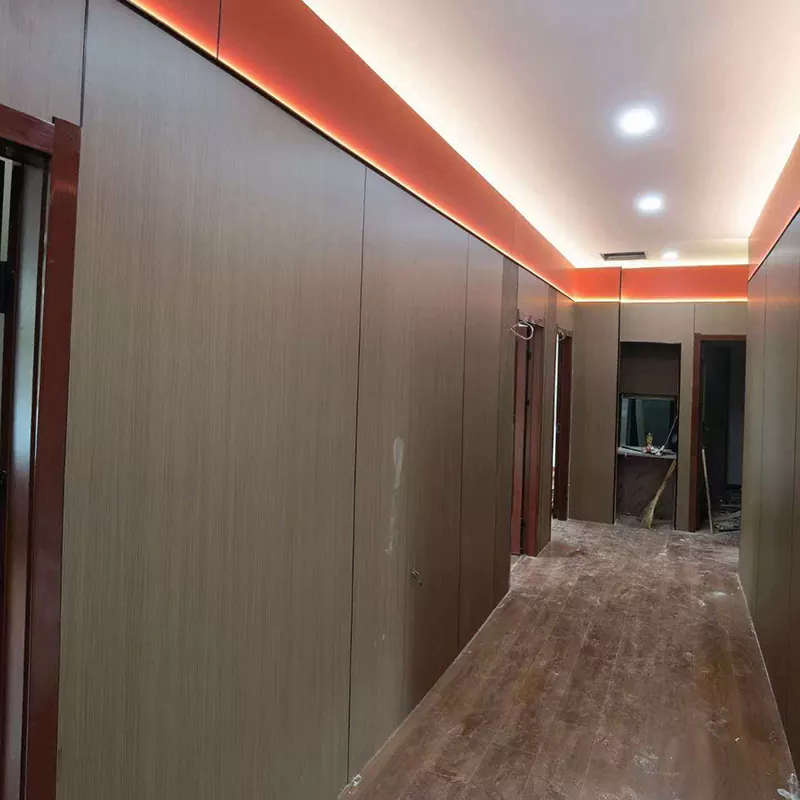
Hotels require door products that balance appearance, durability, maintenance convenience, and guest privacy. Flat panel designs can complement modern guest rooms, corridors, and selected commercial interior areas.

5.3 Office Buildings and Conference Rooms

Professional environments benefit from understated door designs. When configured with appropriate acoustic components, flat panel doors can help improve privacy in meeting rooms, executive offices, and consultation spaces.

5.4 Educational and Medical Facilities

Schools, clinics, and other institutional buildings often prioritize convenient cleaning, durable surfaces, and consistent interior design. Smooth door finishes can support routine maintenance and practical space management.

For specialized healthcare applications, purchasers should additionally verify hygiene, fire safety, and other regulatory requirements relevant to the intended use.


6. Flat Panel Doors vs. Traditional Panel Doors: What Is the Difference?

Both door styles have their own design advantages. The right choice depends on the architectural concept, functional requirements, and overall project budget.

Comparison Factor Flat Panel Doors Traditional Panel Doors
Appearance Clean, smooth, and minimalist Decorative profiles and raised or recessed sections
Design Style Modern, contemporary, and Scandinavian Classic, traditional, and transitional
Surface Cleaning Generally easier due to fewer decorative details May require additional attention around grooves and moldings
Customization Flexible colors, finishes, sizes, and structures Flexible decorative profiles and traditional finishes
Visual Integration Creates a streamlined interior appearance Provides a more decorative architectural effect
Typical Applications Modern homes, offices, hotels, and commercial spaces Traditional residences and classic interior projects

It is important to understand that door performance cannot be determined by appearance alone. Sound insulation, moisture resistance, and durability depend on the actual materials, core construction, hardware, and manufacturing quality.


7. How Are Quality Flat Panel Doors Manufactured?

Reliable manufacturing is essential for producing flat panel doors with consistent dimensions, stable internal structures, and high-quality surface finishes.

A typical engineering-oriented manufacturing process involves several important stages.

Step 1: Material Selection

Manufacturers select frame materials, core filling materials, surface layers, and edge-banding components according to the intended application and performance requirements.

Step 2: Structural Assembly

The internal frame and filling materials are assembled according to the product design. Proper component positioning is essential for maintaining structural consistency.

Step 3: Pressing and Bonding

Large pressing equipment applies controlled pressure to establish a stable connection between the door's structural and surface layers. Consistent bonding helps reduce internal gaps and supports dimensional stability.

Step 4: Edge Trimming and Treatment

Precision edge trimming improves dimensional accuracy and prepares the door for protective edge treatment. PUR edge banding can then be applied to enhance edge integrity.

Step 5: Surface Finishing and Quality Inspection

Surface treatment and finishing help achieve the required appearance and product consistency. Manufacturers should inspect critical dimensions, surface quality, bonding, and other agreed specifications before delivery.

Kamulang emphasizes precision manufacturing, structural pressing, and controlled finishing conditions to support the production of flat panel doors for residential and engineering projects.


8. How to Choose the Right Flat Panel Doors for Your Project?

Selecting the right product requires a balance between design preferences, technical performance, installation conditions, and purchasing costs. Before placing an order, buyers should evaluate the following factors.

8.1 Confirm the Required Dimensions

Measure the door openings carefully and confirm the required width, height, thickness, and opening direction. For oversized or extra-tall doors, request additional structural recommendations.

8.2 Evaluate Environmental Conditions

Consider whether the doors will be installed in coastal areas, humid climates, air-conditioned buildings, or locations exposed to frequent temperature changes. Select materials and finishes suitable for the actual environment.

8.3 Define Performance Requirements

Different applications require different technical priorities. For example:

  • Hotels may prioritize acoustic privacy and convenient maintenance.
  • Residential bedrooms may require improved sound insulation.
  • Coastal projects may emphasize moisture protection.
  • Office projects may focus on appearance consistency and dimensional accuracy.
  • Large commercial projects may require customized dimensions and documented performance testing.

8.4 Check Finish and Color Consistency

For projects involving multiple doors, consistent colors and surface textures are important. Request samples or approved finish references before confirming bulk production.

8.5 Evaluate the Manufacturer's Capabilities

A reliable supplier should be able to explain material specifications, manufacturing procedures, customization options, quality inspection methods, packaging, and delivery arrangements.

Before making a purchasing decision, consider requesting:

  • Detailed product specifications and construction drawings.
  • Available material and surface finish samples.
  • Information about edge-banding and bonding processes.
  • Applicable acoustic and moisture-resistance test documentation.
  • Production lead times and minimum order requirements.
  • Installation recommendations and after-sales support details.

9. Installation and Maintenance Recommendations

Even well-manufactured flat panel doors require appropriate installation and maintenance to achieve their expected service life.

Installation Recommendations

  • Verify that the door opening is properly measured and prepared before installation.
  • Ensure that the frame is level, plumb, and securely fixed.
  • Use compatible hinges, locks, handles, and other hardware.
  • Check the door's alignment, clearance, and smooth opening and closing operation.
  • Follow the manufacturer's installation instructions for oversized or specially reinforced door leaves.

Daily Maintenance Recommendations

  • Clean surfaces regularly with a soft cloth and suitable mild cleaning products.
  • Avoid excessive water exposure and aggressive chemical cleaners.
  • Inspect edges and joints periodically for signs of damage.
  • Keep hinges and locking mechanisms properly maintained.
  • Address unusual moisture exposure promptly to reduce potential material deterioration.

These straightforward practices help maintain the appearance, functionality, and structural condition of flat panel doors over time.


10. Frequently Asked Questions About Flat Panel Doors

Q1: Are flat panel doors suitable for modern homes?

Yes. Their smooth surfaces and minimalist appearance make them an excellent option for contemporary apartments, villas, and residential renovation projects. They can complement various interior colors and materials while maintaining a consistent architectural style.

Q2: Are flat panel doors moisture-resistant?

Moisture resistance depends on the selected core materials, surface treatments, edge sealing, and overall construction. Products designed with moisture-protection measures can be suitable for humid environments. Buyers should confirm the applicable test results and installation conditions before purchasing.

Q3: Do flat panel doors provide sound insulation?

Yes, appropriately designed flat panel doors can help reduce sound transmission. Their acoustic performance depends on core density, structural composition, perimeter sealing, installation accuracy, and hardware. For projects with specific acoustic requirements, request tested sound insulation ratings.

Q4: Can flat panel doors be customized in different sizes?

Yes. Depending on the manufacturer's production capabilities, customization may include door width, height, thickness, surface finish, color, and internal structure. Kamulang provides solutions for large-size and extra-high door leaves, with structural requirements evaluated according to individual project specifications.

Q5: Are flat panel doors easy to clean?

Generally, yes. Their smooth surfaces have fewer decorative recesses where dust can accumulate. Regular wiping with a soft cloth and suitable cleaning products is usually sufficient for routine maintenance.

Q6: What is PUR edge banding, and why is it important?

PUR edge banding uses polyurethane reactive adhesive technology to bond edge materials to the door panel. It helps create a strong, integrated edge finish and improves resistance to moisture exposure compared with some conventional edge-bonding approaches. Actual performance depends on the materials and application process.

Q7: What should commercial buyers consider when purchasing flat panel doors in bulk?

Commercial buyers should evaluate product specifications, structural consistency, customization capabilities, surface finish samples, quality inspection procedures, packaging, delivery schedules, and after-sales support. It is also advisable to confirm technical documentation before approving bulk production.

Q8: How can I choose a reliable flat panel door manufacturer?

Look for a manufacturer with clear product specifications, professional customization capabilities, established production procedures, transparent quality control, and responsive technical support. Request samples and relevant test documentation to verify whether the proposed product meets your project requirements.


11. Conclusion: A Practical Door Solution for Modern Projects

Flat panel doors combine minimalist design with practical construction possibilities, making them a valuable option for modern residential, hospitality, office, and commercial developments. Their smooth surfaces, customizable structures, moisture-protection options, sound insulation potential, and adaptable finishes provide flexibility for different architectural requirements.

However, selecting the right door involves more than comparing appearance and price. Buyers should pay close attention to core materials, structural strength, edge treatment, dimensional accuracy, manufacturing processes, and documented performance specifications. Working with an experienced manufacturer can help ensure that the final product meets both design expectations and project requirements.

Looking for a reliable supplier of high-quality Flat Panel Doors? Kamulang is committed to providing customized door solutions for residential and commercial projects, with attention to product performance, manufacturing precision, and engineering requirements. Whether you need standard interior doors, oversized door leaves, or bulk customized orders, our team is ready to discuss your specifications and provide professional support. Visit our Flat Panel Doors product page to explore more details, or contact us today for product information, customized quotations, and project-specific solutions.

Related News
Leave me a message
X
We use cookies to offer you a better browsing experience, analyze site traffic and personalize content. By using this site, you agree to our use of cookies. Privacy Policy
RejectAccept