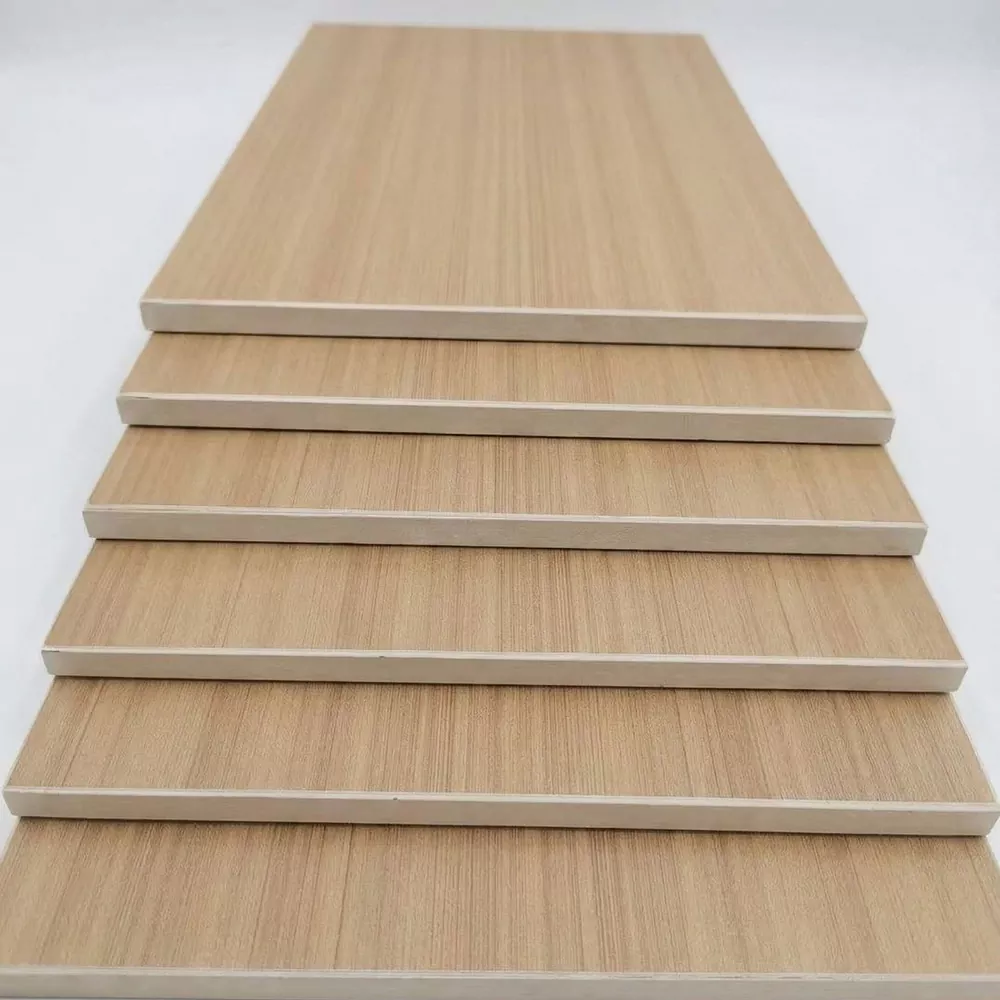
In modern bathroom design, achieving a balance between visual elegance and long-term durability requires materials engineered to handle constant moisture and daily wear. Our collection of advanced surface solutions includes the Wood Grain Interior Stone Plastic Composite Panel, which brings the warmth of natural timber without the risk of warping, and the Fire Resistant Stone Plastic Composite Wall Panel, developed to meet strict safety codes while preserving a clean, contemporary look. For those who value speed and simplicity, the Click Lock Decorative Stone Plastic Composite Panel offers a tool-free installation system that locks tightly against moisture ingress. If you prefer a classic stone aesthetic with effortless handling, the Lightweight Marble SPC Wall Panel delivers authentic veining patterns on a fraction of the weight of real marble. These panels share a waterproof core technology that refuses to delaminate in humid conditions, giving bathroom walls a reliable shield against mold, stains, and structural damage.
The Bathroom Waterproof Stone Plastic Composite Panel is engineered as a high-performance cladding material composed of a dense SPC limestone composite core, a high-definition decorative film, and a transparent wear layer that resists scratches and chemical cleaners. This construction completely blocks water absorption, so repeated splashing around vanities, showers, and bathtubs never causes swelling or peeling. The panel surface features an embossed texture that replicates the feel of natural stone or wood grain, depending on the chosen finish, while remaining exceptionally easy to clean with a damp cloth. Below is a detailed technical breakdown:
- Core material: Stone plastic composite (SPC) containing natural limestone powder and PVC resin
- Wear layer: UV-cured clear coat with aluminum oxide particles for enhanced scratch resistance
- Decorative layer: High-resolution printed film with registered embossing for authentic texture alignment
- Backing: Attached IXPE or cork underlayment for sound insulation and minor subfloor corrections
- Edge profile options: Micro-beveled or square edge for seamless joint appearance
- Water absorption rate: Less than 0.1% by volume, tested per ASTM D570
- Mold and mildew resistance: No organic growth under 90% relative humidity
- Slip resistance: R10 to R11 rating when used as flooring, maintaining safety even when wet
- VOC emissions: Certified below 0.5 mg/m³, meeting indoor air quality standards
- Installation method: Click-lock floating system or direct glue-down application on primed substrates
Technical specifications for the Bathroom Waterproof Stone Plastic Composite Panel
| Parameter | Value | Testing standard |
|---|
| Overall thickness | 4.0 mm – 6.5 mm (depending on product line) | ISO 24346 |
| Wear layer thickness | 0.3 mm – 0.55 mm | EN 13329 |
| Panel dimensions | 1524 mm × 228 mm × 5.0 mm (standard plank) | Manufacturer specification |
| Density of core | 1.9 – 2.1 g/cm³ | ISO 1183 |
| Abrasion resistance | AC4 (residential heavy traffic) or AC5 (commercial use) | EN 16511 |
| Fire rating | Class Bfl-s1 (flooring) / Class A (wall application) | EN 13501-1 |
| Static load limit | ≤ 0.05 mm residual indentation under 200 N | EN 433 |
| Chemical resistance | No visible change after 48-hour exposure to diluted acids, alkalis, bleach | ASTM F925 |
| Color fastness to light | Blue wool scale ≥ 6 | ISO 105-B02 |
| Thermal conductivity | 0.18 W/(m·K) | ASTM C518 |
Installation of the Bathroom Waterproof Stone Plastic Composite Panel requires minimal preparation. The subfloor or wall substrate must be clean, dry, and level to within 3 mm over a 2-meter span. The click-lock mechanism engages with a simple tap using a rubber mallet, eliminating adhesives and reducing labor time. For shower enclosures and wet areas, a bead of waterproof silicone along the perimeter joints ensures a completely sealed surface. The low thermal resistance of the SPC core makes the panel fully compatible with electric radiant heating systems, allowing a warm floor experience without compromising waterproof integrity. Routine maintenance involves sweeping or vacuuming to remove grit, followed by damp mopping with a pH-neutral cleaner; solvents, waxes, and abrasive scrub pads should be avoided to preserve the wear layer. The combination of lightweight handling and rigid construction allows vertical cladding on bathroom walls with standard panel adhesive, giving designers the freedom to extend the same material seamlessly from floor to ceiling. With a stable dimension under temperature fluctuations from 0°C to 50°C, the panel will not cup or gap, making it a reliable choice for bathrooms subject to seasonal humidity swings.