News

How Antimicrobial Mineral Board Improves Hygiene and Durability in Modern Spaces

2026-05-06 0 Leave me a message

Article Summary: Antimicrobial mineral board is becoming an essential material in environments where hygiene, durability, and cost-efficiency matter most. From healthcare facilities to commercial interiors, this material addresses critical concerns such as bacterial growth, maintenance costs, and long-term structural integrity. This article explores how antimicrobial mineral board works, its benefits, applications, and how it solves real-world customer challenges.


Table of Contents


1. What Is Antimicrobial Mineral Board?

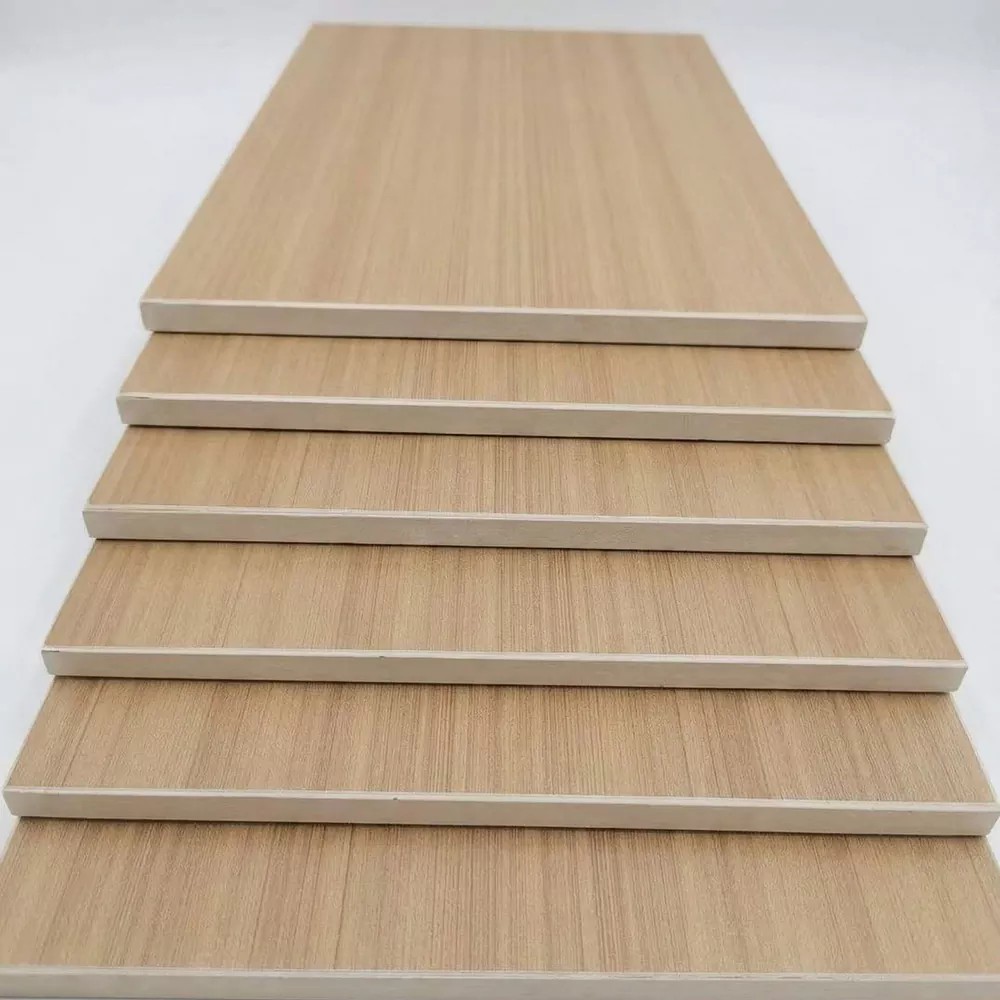
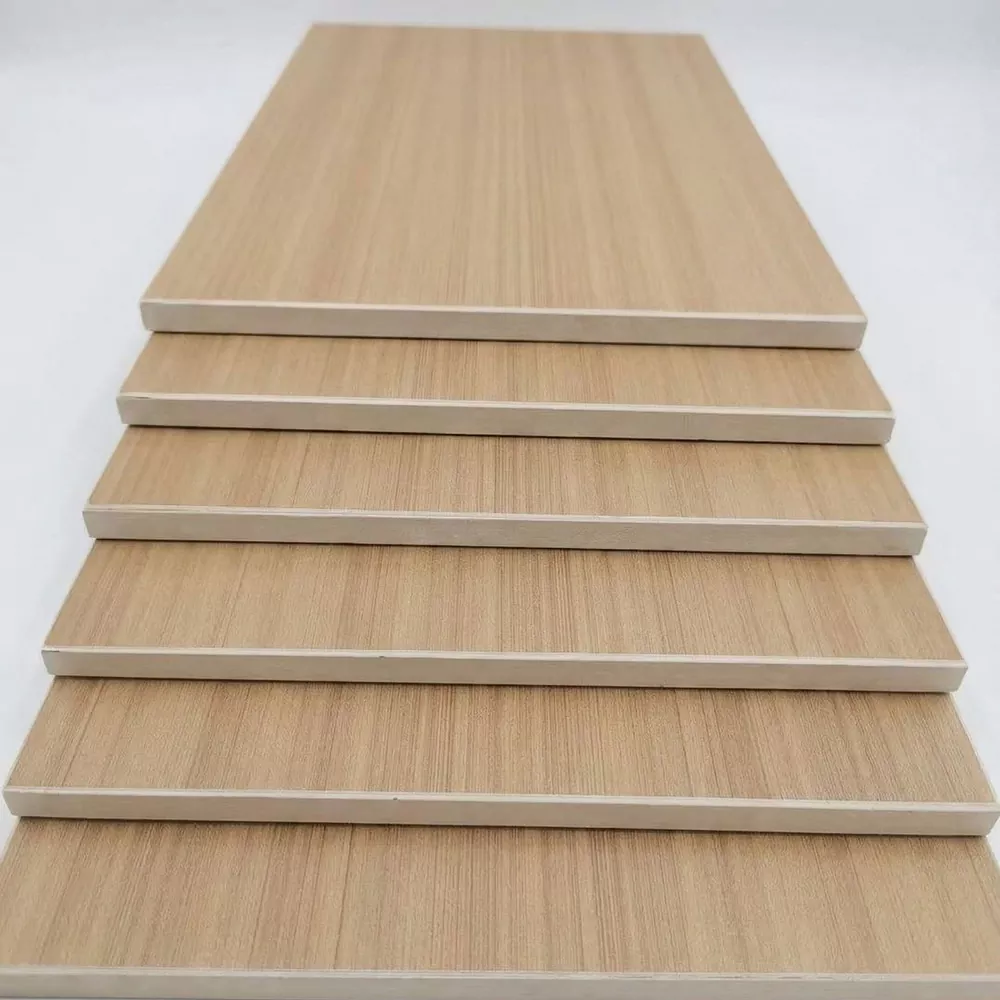
Antimicrobial mineral board is a high-performance construction material made primarily from mineral fibers, fillers, and functional additives designed to inhibit microbial growth. Unlike traditional boards, it integrates antimicrobial agents directly into its structure, ensuring long-term protection rather than surface-level treatment.

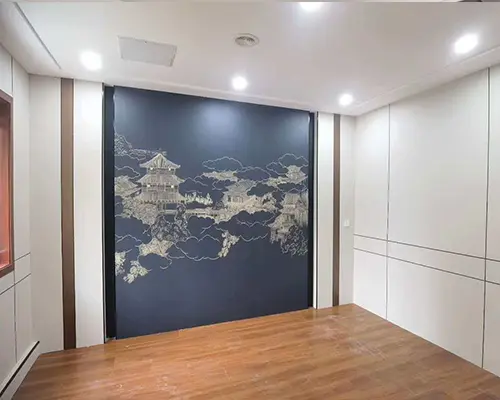
This type of board is commonly used in ceilings and wall systems, particularly in environments where cleanliness is critical. Companies like Kamulang have refined the formulation to ensure consistent quality, durability, and enhanced hygienic performance.


2. How Does Antimicrobial Mineral Board Work?

The effectiveness of antimicrobial mineral board lies in its embedded antimicrobial technology. Instead of applying coatings that wear off over time, the board incorporates active agents during manufacturing.

  • Ion Release Mechanism: Antimicrobial agents release ions that disrupt bacterial cell membranes.
  • Enzyme Inhibition: Microbial metabolism is blocked, preventing growth and reproduction.
  • Moisture Resistance: Reduced moisture absorption limits environments where microbes thrive.

This multi-layered defense ensures continuous protection throughout the product lifecycle.


3. Common Customer Pain Points

Many buyers face recurring challenges when selecting interior building materials. Antimicrobial mineral board directly addresses these issues:

  • Hygiene Concerns: Traditional boards can harbor bacteria and mold.
  • Frequent Maintenance: Regular cleaning and replacement increase operational costs.
  • Durability Issues: Warping, cracking, and discoloration over time.
  • Regulatory Compliance: Difficulty meeting strict health and safety standards.

By solving these problems, antimicrobial mineral boards provide both immediate and long-term value.


4. Key Benefits

Choosing antimicrobial mineral board offers a range of practical advantages:

  • Enhanced Hygiene: Continuous protection against bacteria and fungi.
  • Long-Term Cost Savings: Reduced need for maintenance and replacement.
  • Fire Resistance: Mineral composition offers inherent fire-retardant properties.
  • Acoustic Performance: Effective sound absorption improves indoor comfort.
  • Eco-Friendly: Many products are manufactured using sustainable materials.

Manufacturers like Kamulang also focus on balancing performance with environmental responsibility.


5. Main Applications

Antimicrobial mineral board is widely used across various industries due to its versatility:

  • Healthcare Facilities: Hospitals, clinics, and laboratories.
  • Educational Institutions: Schools and universities.
  • Commercial Buildings: Offices, shopping malls, and hotels.
  • Food Processing Areas: Kitchens and production zones.
  • Public Infrastructure: Airports, stations, and government buildings.

Its adaptability makes it a preferred choice for projects requiring strict hygiene standards.


6. Comparison Table

Feature Antimicrobial Mineral Board Traditional Board
Microbial Resistance High Low
Durability Long-lasting Moderate
Maintenance Cost Low High
Fire Resistance Excellent Variable
Moisture Resistance Strong Weak

7. How to Choose the Right Board

Selecting the right antimicrobial mineral board requires evaluating several technical and practical factors:

  • Environment Requirements: Determine hygiene levels needed.
  • Installation Area: Ceiling vs wall applications.
  • Performance Standards: Fire rating, acoustic properties, and moisture resistance.
  • Supplier Reliability: Choose trusted manufacturers like Kamulang.
  • Budget Considerations: Balance upfront cost with lifecycle savings.

For detailed product specifications, you can explore the official page: Antimicrobial Mineral Board Product Page


8. Frequently Asked Questions

Q1: Is antimicrobial mineral board safe for indoor use?
Yes, it is designed to meet strict safety and environmental standards, making it suitable for sensitive environments.

Q2: How long does the antimicrobial effect last?
The protection is built into the material, ensuring long-term effectiveness throughout its lifespan.

Q3: Can it replace traditional ceiling tiles?
Absolutely. It is often used as a direct upgrade due to its superior performance.

Q4: Is installation complicated?
No, it is compatible with standard installation systems.

Q5: Does it require special maintenance?
Minimal maintenance is needed compared to conventional materials.


Conclusion

Antimicrobial mineral board represents a significant advancement in building materials, combining hygiene, durability, and cost efficiency into a single solution. Whether you are managing a healthcare facility, designing a commercial space, or upgrading infrastructure, this material addresses critical concerns effectively.

Kamulang continues to innovate in this field, offering reliable and high-performance solutions tailored to modern needs. If you are looking to enhance your project with antimicrobial protection and long-lasting quality, now is the time to act.

Contact us today to learn how Kamulang antimicrobial mineral board can transform your next project into a safer, cleaner, and more efficient environment.

Related News
Leave me a message
X
We use cookies to offer you a better browsing experience, analyze site traffic and personalize content. By using this site, you agree to our use of cookies. Privacy Policy
Reject Accept