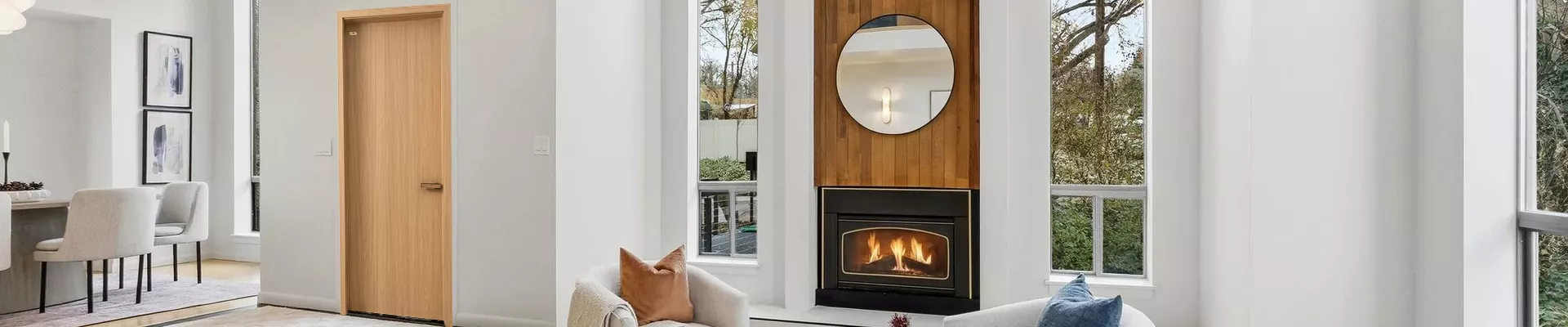
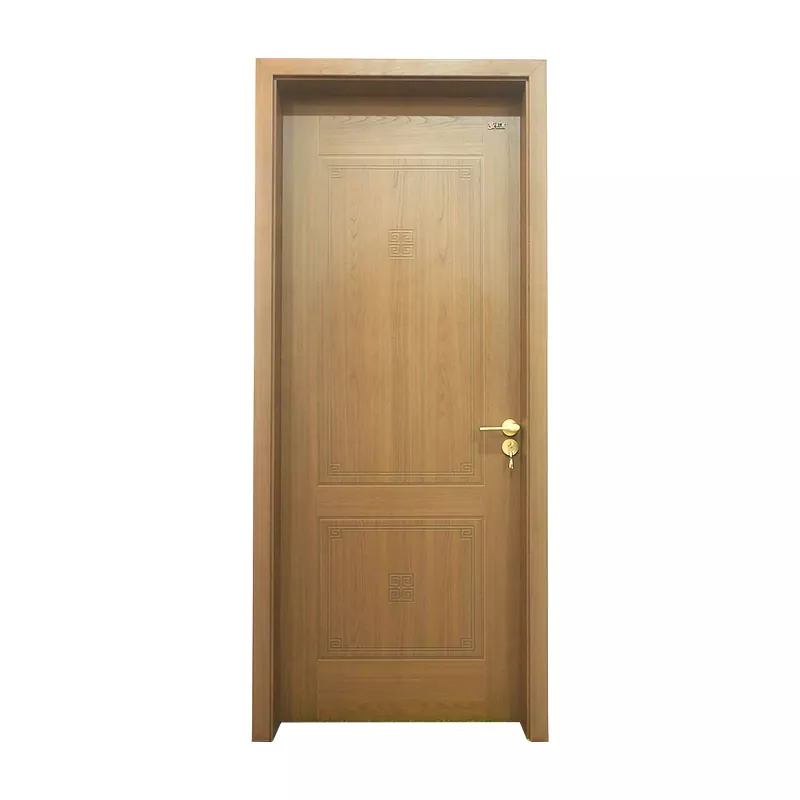
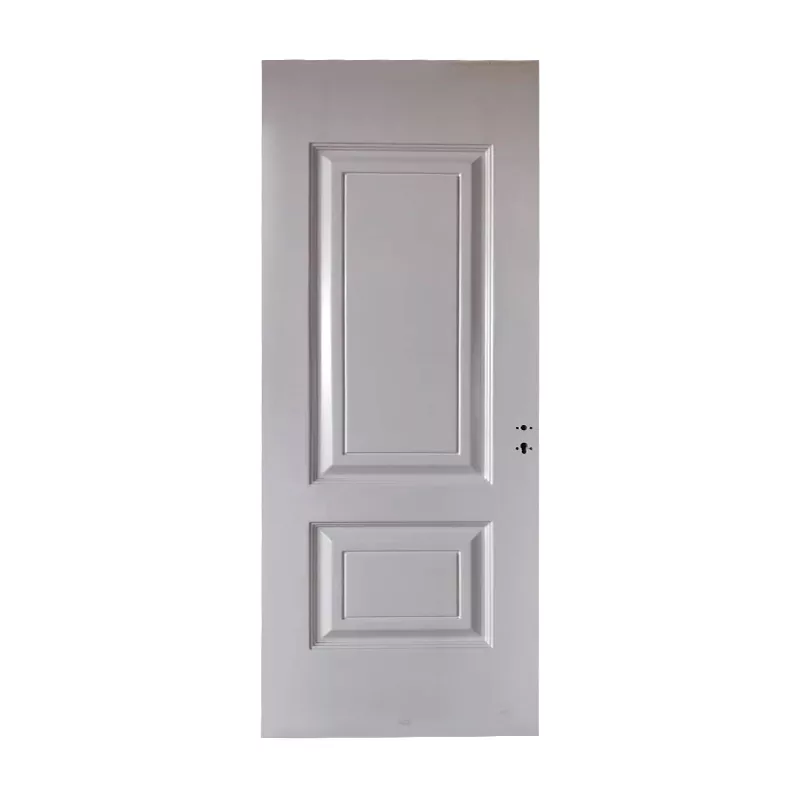
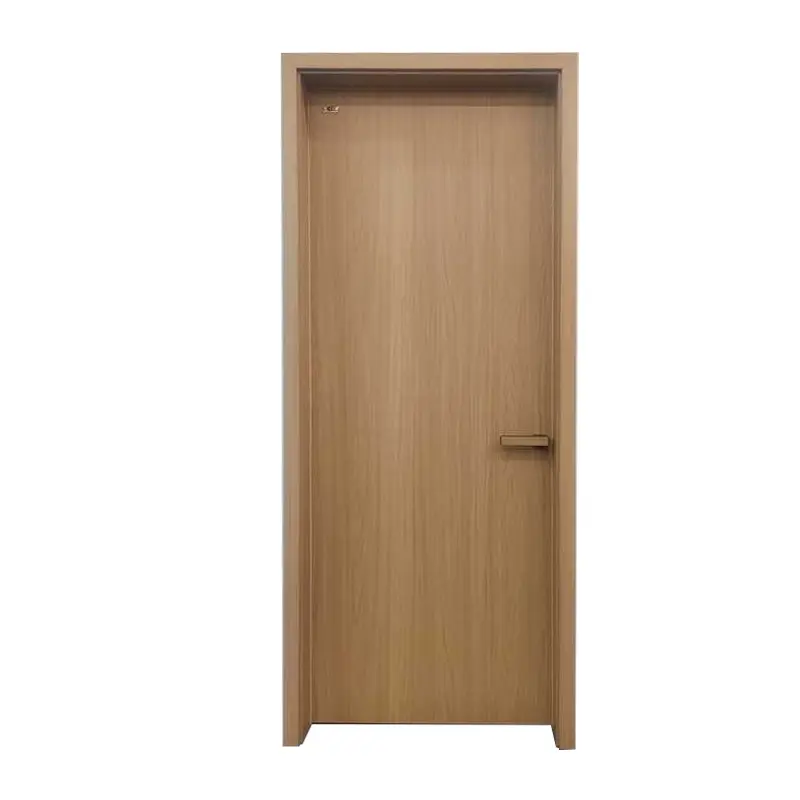
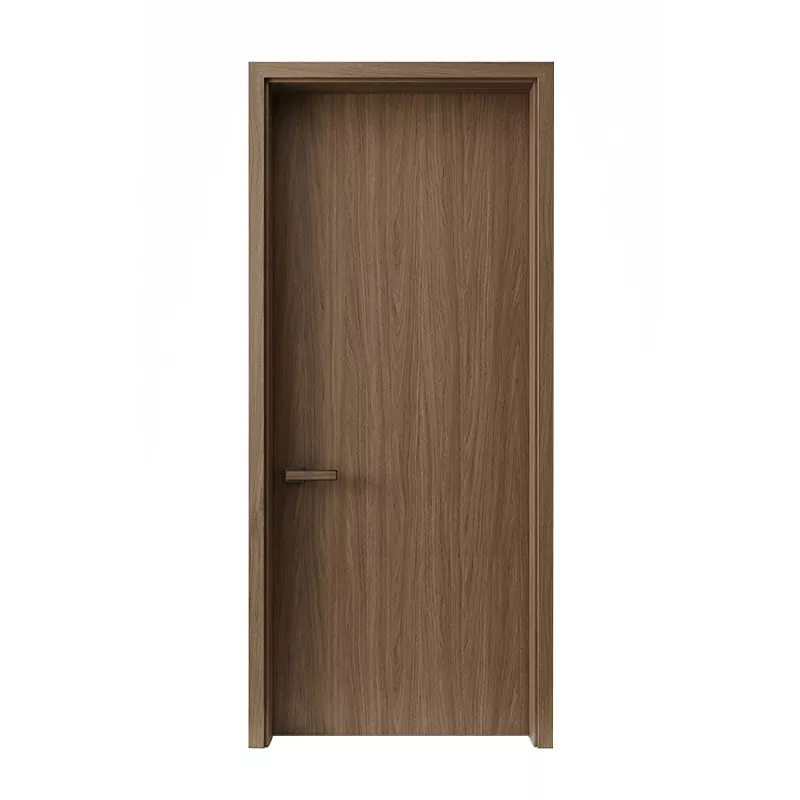
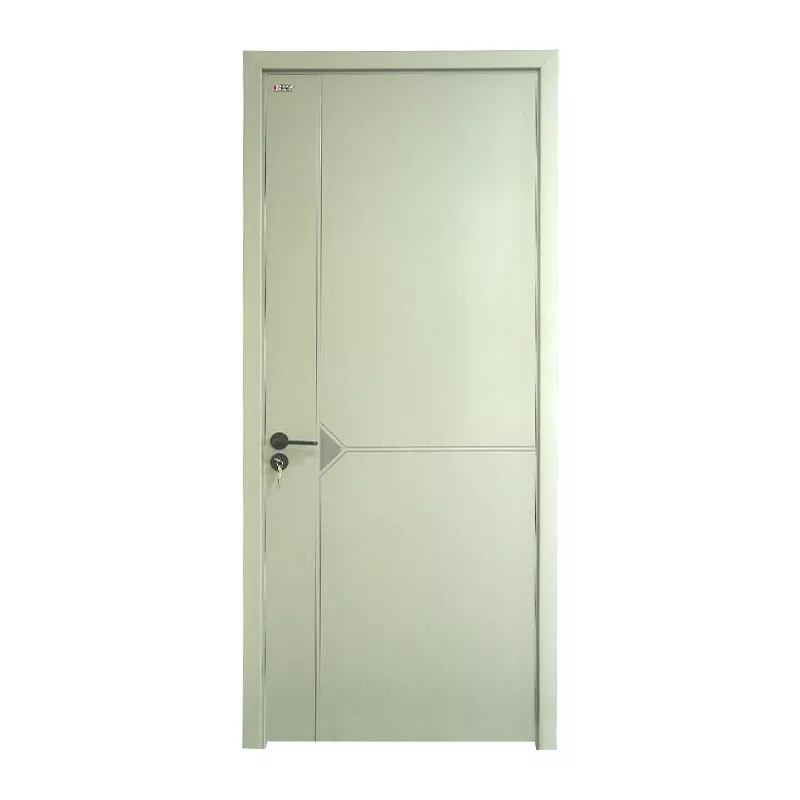
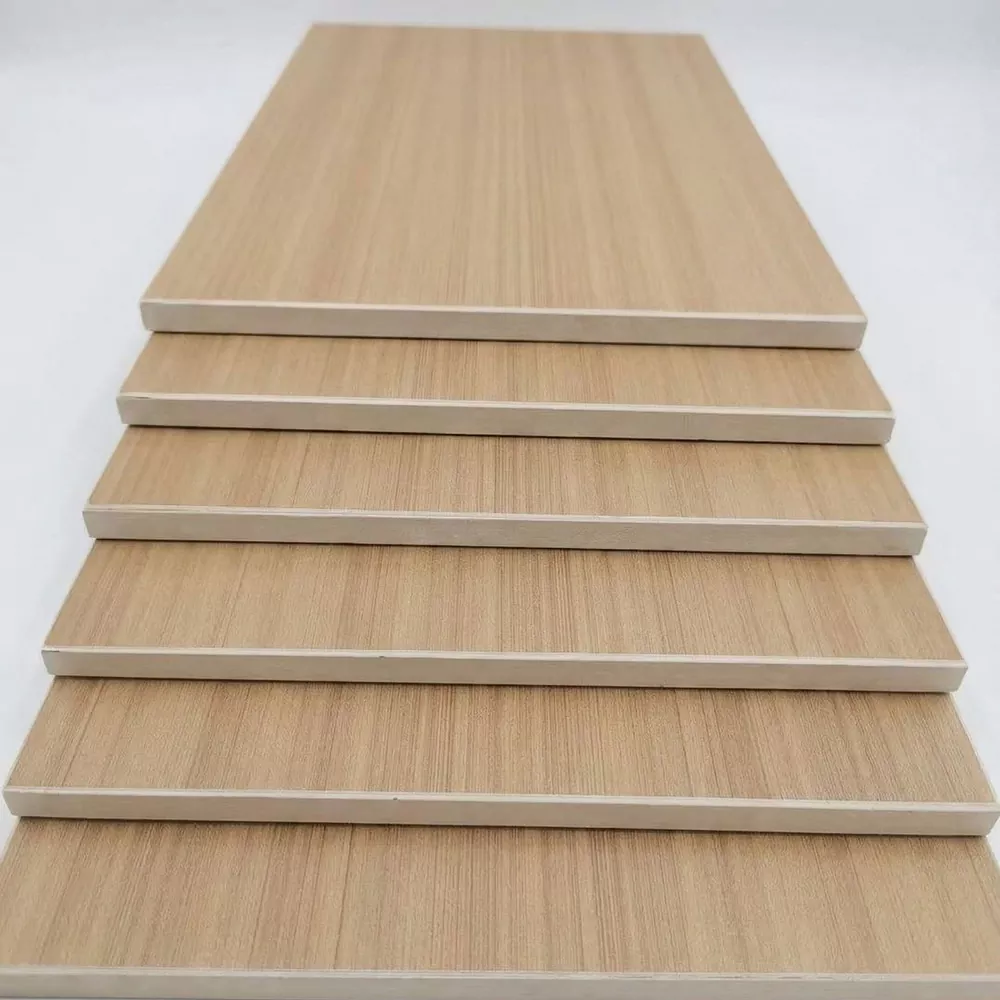
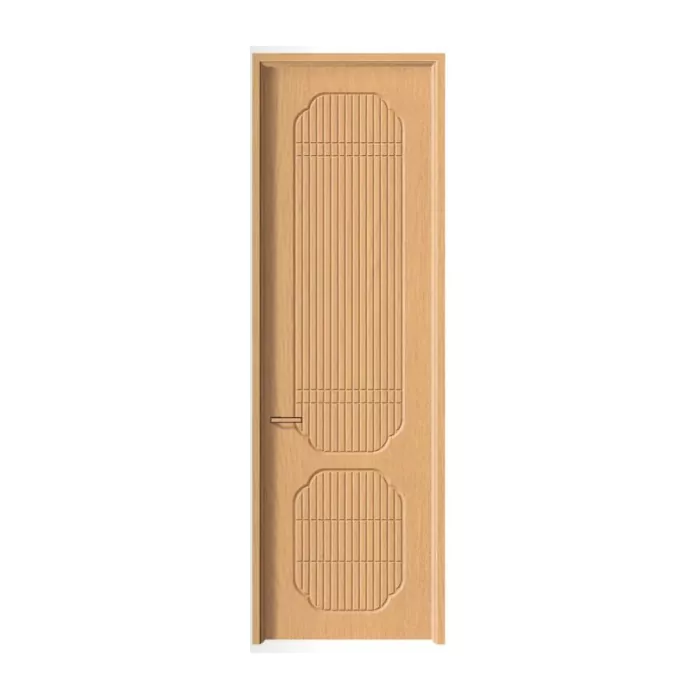
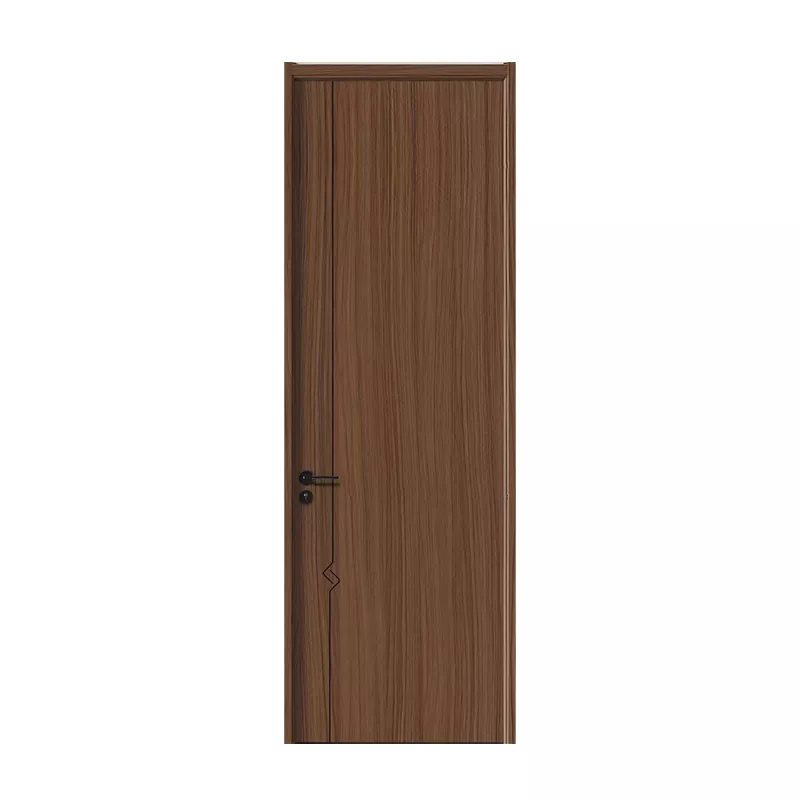
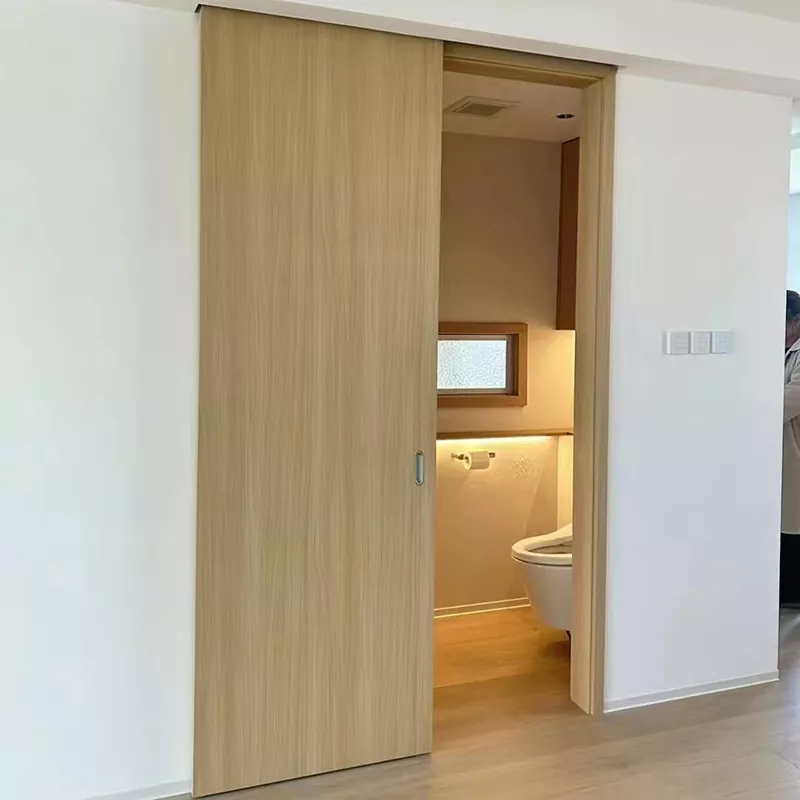
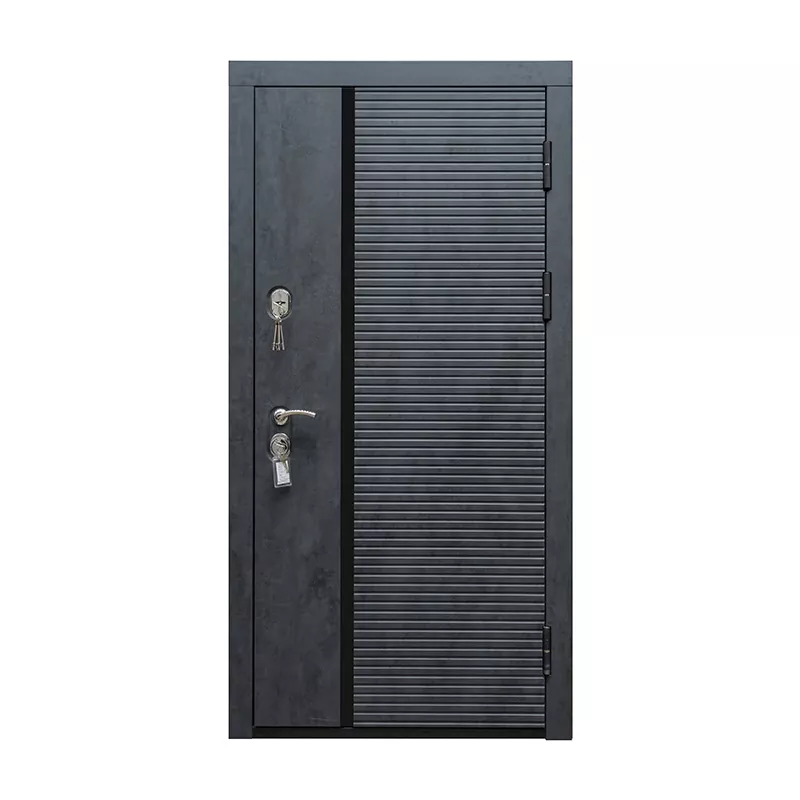
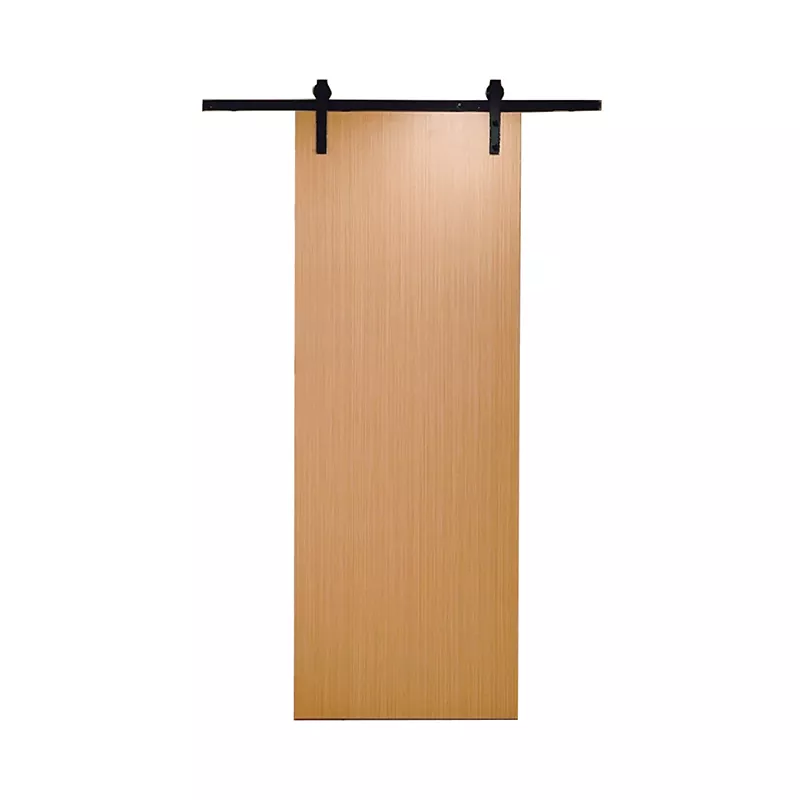
The foundation of any refined interior begins with selecting the right passage elements, and MDF Interior Wooden Doors deliver a sophisticated balance of form and function that modern homes and commercial spaces demand. Engineered with a robust medium-density fiberboard core, these doors present a smooth, uniform surface that takes paint finishes exceptionally well, resisting the knots and grain irregularities common in natural timber. Within our comprehensive interior door collection, you will discover complementary options designed for specialized requirements: explore Solid Core Interior Wooden Doors when weight and substantial feel are paramount, review Fire Rated Interior Wooden Doors for compliance-driven installations requiring certified resistance levels, consider Soundproof Interior Wooden Doors where acoustic privacy defines room functionality, and browse Oak Interior Wooden Doors for authentic wood veneer aesthetics that showcase natural grain patterns. The manufacturing precision behind each MDF slab ensures exceptional dimensional stability across varying humidity levels, preventing the seasonal warping and contraction that compromises lesser door constructions. Architects and designers consistently specify these doors for high-end residential projects because the engineered substrate accepts CNC machining for intricate panel profiles and contemporary flush designs without chipping or tear-out, yielding crisp, clean lines that define a space.
MDF Interior Wooden Doors represent a technical achievement in engineered door manufacturing, combining carefully calibrated wood fibers with resin binders under high-pressure compression to create a material that outperforms solid wood in flatness and paint adhesion. The standard thickness measures 35mm for passage applications and 40mm for rooms requiring enhanced structural integrity, while the density typically ranges between 600 kg/m³ and 800 kg/m³ depending on the specific core formulation selected. Door leaf dimensions accommodate common structural openings, with widths spanning 626mm to 926mm and heights standardized at 2040mm, though custom sizing extends to 2400mm for grand ceiling elevations. The factory-applied primer coat utilizes a UV-cured acrylic system that seals the surface uniformly, reducing on-site preparation time and ensuring consistent topcoat absorption. Lipping options include a 10mm solid hardwood edge band on long stiles, allowing installers to trim doors up to 6mm per side without exposing the fiber core, a critical feature for irregular frame installations. Weight characteristics differentiate these products significantly: a standard 35mm door averages 22kg per unit, while the 40mm variant reaches approximately 28kg, figures that demand quality hinge hardware for sustained performance over decades of use. The technical specifications extend across a range of performance metrics that inform specification decisions:
| Parameter | Value |
|---|
| Core Material | Medium-Density Fiberboard (E1 Grade) |
| Surface Finish | Smooth Sanded, 180-Grit Preparation |
| Standard Thickness | 35mm / 40mm |
| Typical Density | 680 kg/m³ |
| Moisture Content | 6% – 8% |
| Acoustic Rating | 28dB – 32dB |
| Trimming Allowance | 6mm per Side |
| Fire Classification | FD30 Available |
The construction methodology incorporates a balanced sandwich assembly where identical MDF face layers bond to a fiberboard core under controlled heat and pressure, creating inherent tension equilibrium that prevents bowing. Grooved stiles receive solid timber inserts during edge processing, and the resulting blank undergoes precision sanding through progressive grit stages before primer application. Key technical features that distinguish these products in the marketplace include:
- Dimensional Stability: Resistant to expansion and contraction across humidity ranges of 35% to 85% relative humidity.
- Surface Uniformity: Fiber composition free of knots, splits, and grain telegraphing through painted finishes.
- Machining Precision: Ideal substrate for CNC router work, producing clean mortise pockets for hinges and lock bodies.
- Sound Dampening: Core density interrupts sound wave transmission more effectively than hollow-core alternatives.
- Indoor Air Quality: Low formaldehyde emission levels comply with E1 standards for interior living environments.
The installation process requires standard carpenter tools, with hinge recesses routed into reinforced stile edges and lock blocks positioned at 900mm from the base on both latch and hinge sides where specified. Field adjustments benefit from the trim allowance built into the edge design, though we recommend sealing all cut surfaces with a quality primer to maintain moisture resistance. Maintenance over the service life involves periodic cleaning with a damp microfiber cloth and occasional inspection of hinge screws for torque retention, as the substantial door weight necessitates firm anchorage to frame members. MDF Interior Wooden Doors deliver the flatness and finish quality that modern minimalist architecture demands, providing design flexibility through their readiness to accept any paint color or lacquer sheen.